Best Educational Toys for Toddlers Ages 1-3: Parent-Approved Picks
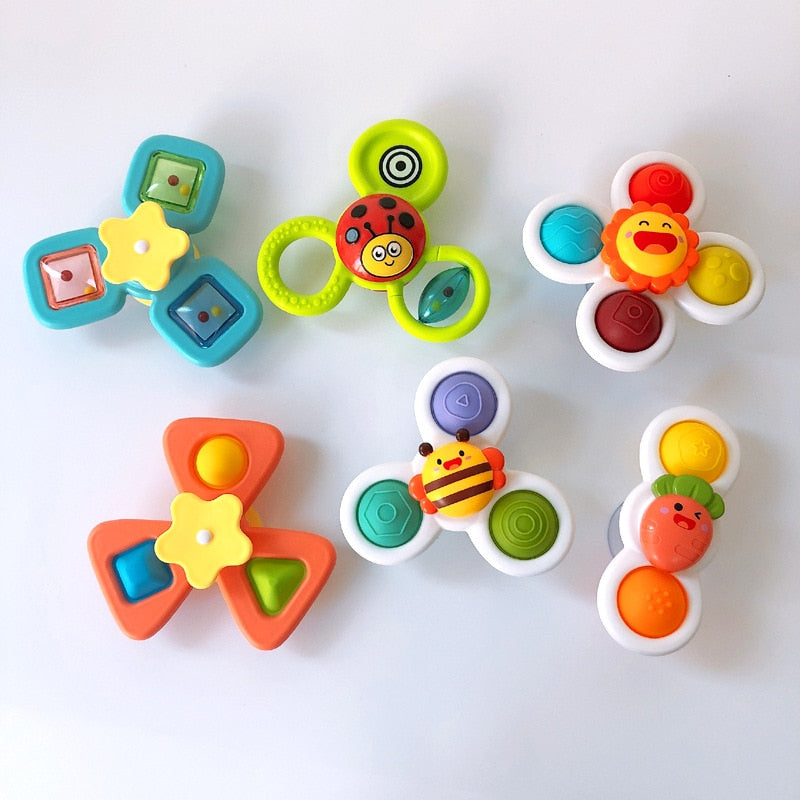
The first three years of a child’s life are nothing short of miraculous. During this period, the brain forms over one million new neural connections every single second, making it the most critical window for learning and development. The toys you choose for your toddler during this stage are not just entertainment; they are the building blocks of intelligence, coordination, and social skills that will shape your child for years to come.
Finding the right educational toys for toddlers can feel overwhelming with so many options on the market. That is why we have done the research for you. Every product on this list has been selected for its developmental value, safety for young children, and ability to genuinely capture a toddler’s attention. These are the parent-approved picks that deliver real results.
Why Early Learning Toys Are Essential for Toddlers
During the toddler years, children learn primarily through sensory exploration and hands-on play. Educational toys provide structured opportunities for this kind of learning in a safe and engaging way. When a toddler stacks blocks, spins gears, or sorts shapes, they are developing spatial awareness, cause-and-effect understanding, and problem-solving abilities that form the foundation for later academic success. Studies from the American Academy of Pediatrics confirm that play-based learning during early childhood produces stronger outcomes than formal instruction at this age.
The right toys also support language development and social skills. Interactive toys that produce sounds, feature characters, or encourage imaginative play give toddlers the vocabulary and scenarios they need to start communicating more effectively. When parents engage alongside their children with these toys, the learning benefits multiply as children absorb language patterns, turn-taking behavior, and emotional regulation through shared play experiences.
1. Baby Safe Spin Educational Interactive Toy
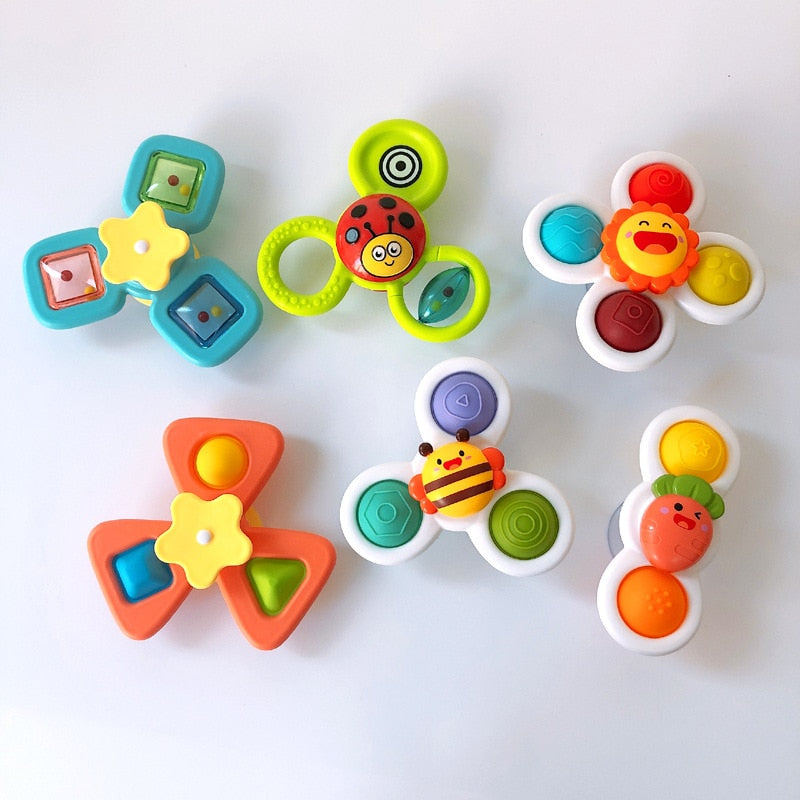
Designed specifically for the youngest learners, this spinning interactive toy captivates babies and toddlers with its smooth rotating motion and vibrant colors. The simple spin-and-watch mechanism teaches cause and effect at its most fundamental level. Babies quickly learn that their action produces a result, which is the earliest form of scientific thinking. The rounded, BPA-free construction ensures it is completely safe for mouthing and rough handling.
What makes this toy particularly valuable is its ability to hold a very young child’s attention. The spinning motion is inherently mesmerizing to babies, and the tactile feedback of pressing and spinning develops fine motor control in those tiny fingers. At under fourteen dollars, it is an accessible entry point into educational play that can be introduced as early as six months and remain engaging well past the first birthday.
2. Mind Cube Multifunctional Baby Educational Toys
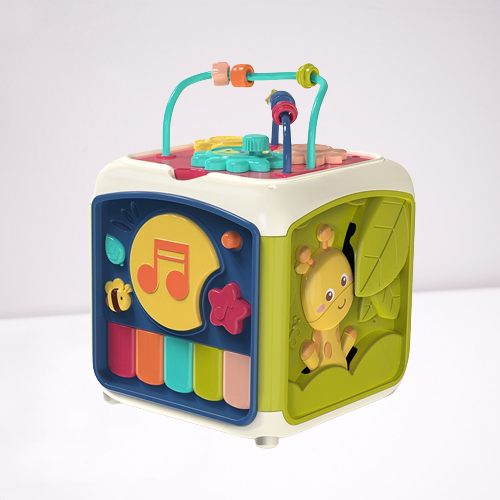
This multifunctional activity cube packs an impressive array of learning experiences into a single toy. Each face of the cube features a different activity, from shape sorting and gear spinning to bead mazes and button pressing. Toddlers can explore independently for extended periods, discovering new challenges on every side. The variety means this toy grows with your child, remaining relevant and engaging from the first birthday through age three and beyond.
The Mind Cube stands out for its thoughtful design that balances stimulation with simplicity. Unlike electronic toys that overwhelm toddlers with lights and sounds, this cube lets children set their own pace and focus on one activity at a time. The sturdy construction withstands the inevitable drops and throws that come with toddler play, and the non-toxic materials give parents peace of mind. It is a premium investment that delivers months, even years, of developmental value.
3. Interactive Early Learning Farm Animals Felt Story Board Set
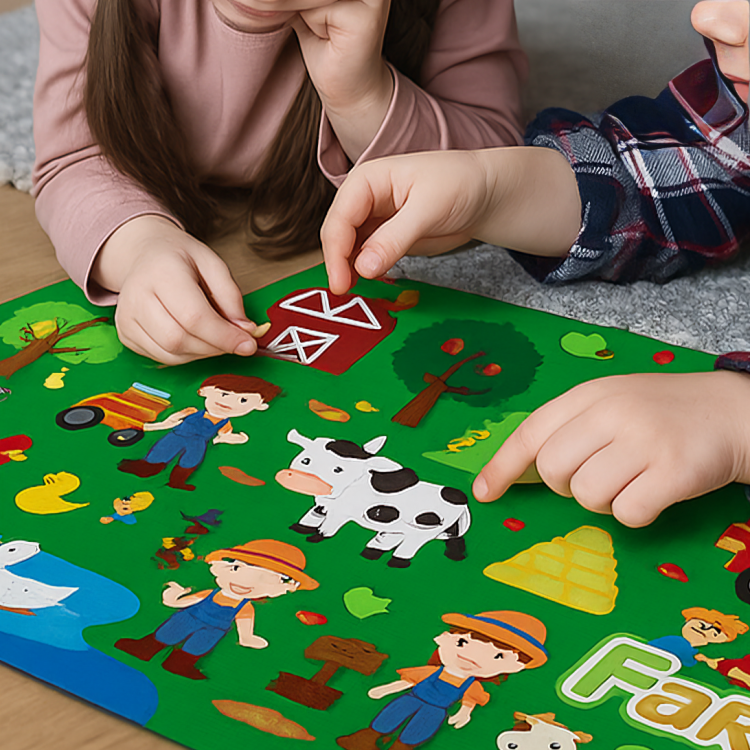
Felt story boards have been a staple of early childhood education for decades, and this farm animal set brings that proven learning method into your home. Toddlers place and rearrange colorful felt animals, fences, and farm elements on the board, building their own scenes and stories. This open-ended play develops language skills as children name animals, describe actions, and create narratives. The tactile nature of felt is especially satisfying for small hands that are still developing their grip and dexterity.
Parents and educators love this set because it naturally encourages vocabulary building and imaginative play. A simple prompt like "where does the cow go?" opens up conversations about animals, sounds, habitats, and routines. The felt pieces stick to the board without adhesive, so toddlers can reposition them endlessly without frustration. It is a screen-free activity that promotes the kind of deep, focused play that developmental experts recommend for this age group.
4. Frog Balance Ultimate Fun Montessori Toy
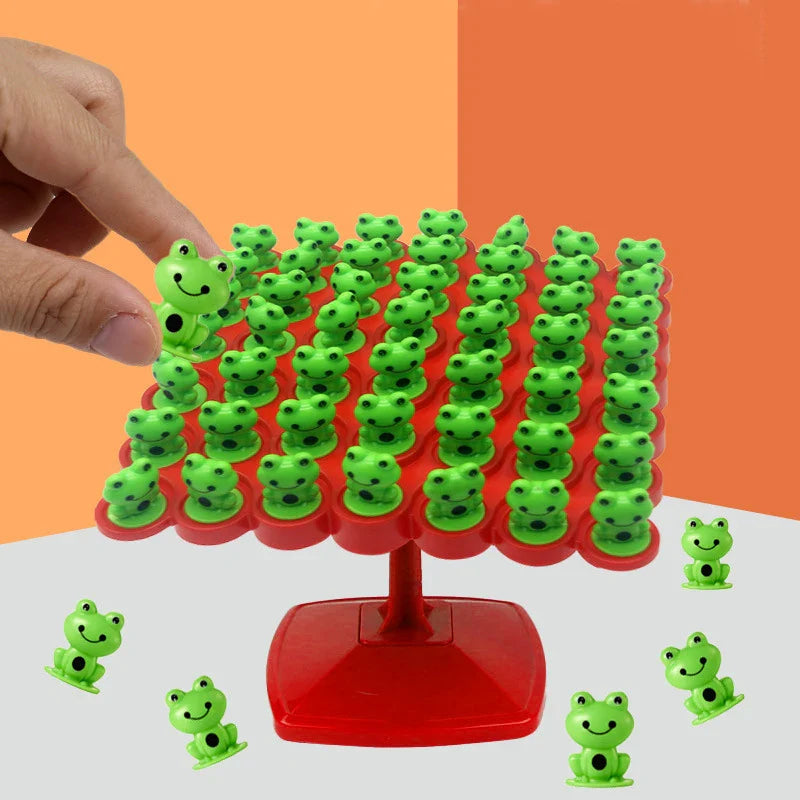
This charming frog-themed balance toy introduces toddlers to early math concepts in a way that feels like pure play. Children place small weights on each side of the frog to make it balance, intuitively learning about equality, greater than, and less than without ever hearing those terms. The Montessori approach of learning through manipulation rather than instruction is perfectly embodied in this design. The friendly frog character makes the experience inviting and non-intimidating.
Balance toys are recommended by child development specialists because they engage multiple cognitive skills simultaneously. As toddlers experiment with weight placement, they practice counting, develop hand-eye coordination, and build their understanding of physical properties. The affordable price point makes this an excellent gift option, and its compact size means it travels well for restaurant visits or long car rides where a quiet, engaging activity is essential.
5. 6in1 Smart Kids Skill Learning Cube Toy
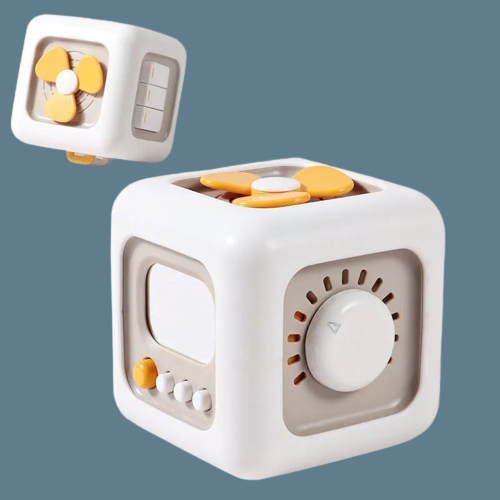
Six activities in one compact cube make this toy a powerhouse of early learning. From lacing and buttoning to zipping and snapping, each face presents a different fine motor challenge that toddlers encounter in daily life. Mastering these skills on a toy builds the independence children need to dress themselves, handle utensils, and manage school supplies as they grow. The bright colors and satisfying click of each closure keep toddlers coming back for more practice.
This skill cube is a favorite among occupational therapists who work with young children. The practical life skills it teaches align directly with Montessori principles of helping children do things for themselves. At under seventeen dollars, it offers exceptional value considering the breadth of skills it covers. Parents report that toddlers who play with this cube regularly show faster progress in self-dressing and other independence milestones compared to peers, making it one of the smartest investments in early childhood development.
How to Choose Educational Toys for Your Toddler
Safety is the non-negotiable starting point when choosing toys for children under three. Look for BPA-free materials, rounded edges, and pieces that are too large to be swallowed. Beyond safety, consider your child’s current developmental stage and interests. A child who loves animals will engage more deeply with the felt story board, while a hands-on problem solver might prefer the activity cube. The best educational toys meet children where they are while gently stretching their abilities.
Avoid the temptation to buy toys that are too advanced for your toddler. A toy that is too challenging leads to frustration and abandonment, while one that is appropriately challenging builds confidence and persistence. Look for toys with multiple difficulty levels or open-ended play possibilities so they remain relevant as your child grows. And remember that the most expensive toy is not always the best one. Several items on this list are under twenty dollars and deliver outstanding developmental value.
Frequently Asked Questions
At what age should I start introducing educational toys?
You can begin introducing simple educational toys as early as three to six months. At this stage, high-contrast visual toys and simple cause-and-effect items like the Baby Safe Spin toy are ideal. As your child approaches their first birthday, you can introduce more complex toys like activity cubes and shape sorters. The key is matching the toy to your child’s current abilities while offering just enough challenge to encourage growth.
How many educational toys does my toddler actually need?
Quality matters far more than quantity. Research suggests that toddlers play more creatively and for longer periods when they have fewer toys available at any given time. A rotating selection of four to six well-chosen educational toys is more effective than a room overflowing with options. Rotate toys every few weeks to maintain novelty, and focus on items that offer multiple ways to play rather than single-purpose gadgets.
Are electronic educational toys better than traditional ones for toddlers?
For children under three, traditional hands-on toys generally outperform electronic alternatives. The American Academy of Pediatrics recommends limiting screen and electronic toy exposure for toddlers because passive stimulation does not build the same neural pathways as active, tactile play. Toys that require physical manipulation, like the ones on this list, develop fine motor skills, spatial reasoning, and problem-solving abilities that electronic toys cannot replicate.
The toddler years fly by faster than any parent expects, but the learning that happens during this period lasts a lifetime. Investing in thoughtfully designed educational toys is one of the simplest and most effective things you can do to support your child’s development. Start with one or two items from this list and watch your little one surprise you with what they can learn through play.
Written by
You might also like
 81
81
Best Creative Craft Kits for Kids: Art Projects They'll Actually Finish
Discover the best creative craft kits for kids that they will actually finish. From sculpting and glass painti...
Our Favorite Ways to Bring Love, Peace, and Whimsy Into Your Child's World
From imaginative play sets to calming mindfulness tools, these are our favorite picks that bring love, peace,...
Our Favorite Bring Your Love, Peace, and Whimsy! Toys and Gifts for Kids
Discover 8 whimsical toys and gifts that bring love, peace, and creative wonder into your child's world while...