Children's Eye-Hand Coordination Ball Catching Toy: Development Through Play
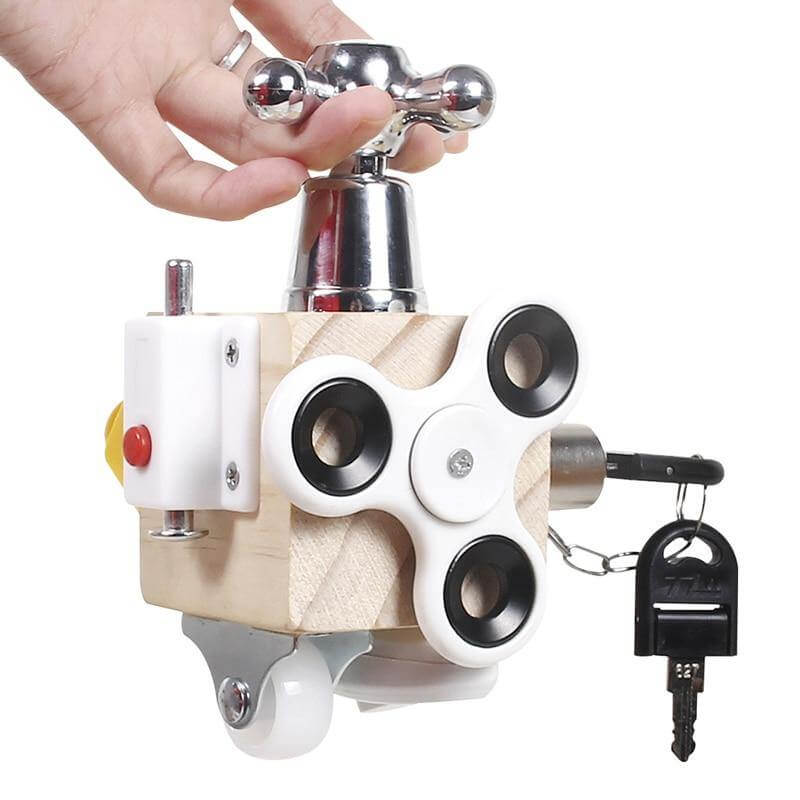
Eye-hand coordination is one of the fundamental building blocks of child development, influencing everything from handwriting to sports performance. The Children's Eye-Hand Coordination Ball Catching Toy at $36.95 promises to strengthen this crucial skill through engaging, repetitive play. We also tested the complementary Memory Training Educational Kids Toy ($13.95) to explore how coordination and memory work together in child development.
Product Overview
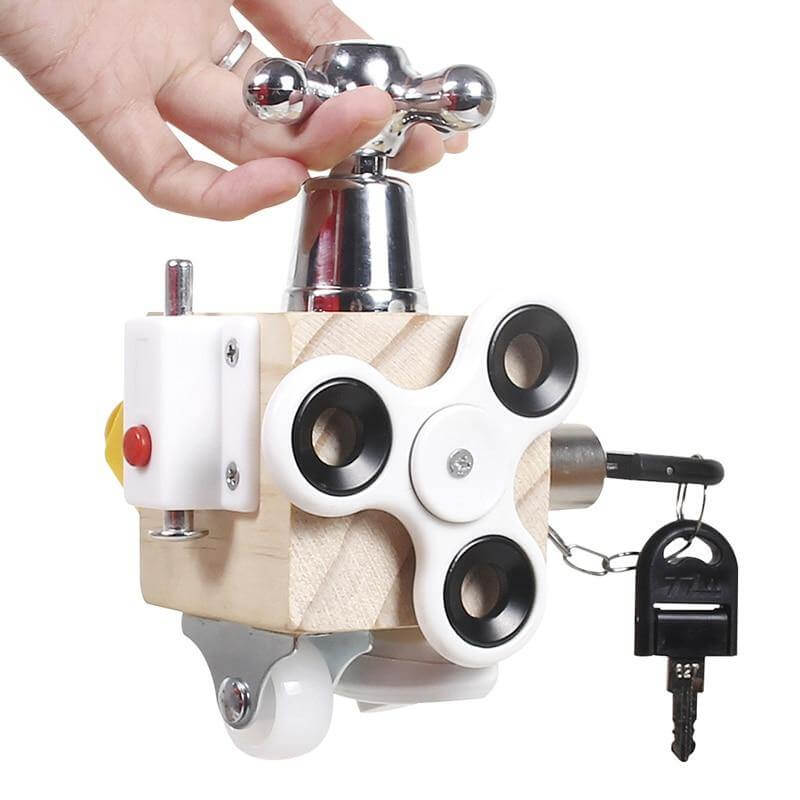
The Children's Eye-Hand Coordination Ball Catching Toy is designed around the simple but challenging task of catching and directing balls using hand-controlled mechanisms. The toy requires children to track moving objects visually while simultaneously coordinating their hand movements to respond, training the neural pathways that connect vision and motor control.
The Science of Eye-Hand Coordination
According to research published in the journal Developmental Science, eye-hand coordination develops rapidly between ages 3 and 7, with the most sensitive learning period occurring around ages 4 and 5. During this window, the brain is actively strengthening connections between the visual cortex and motor cortex. Toys that specifically target this skill can accelerate development and provide a strong foundation for later academic and athletic activities.
What We Loved
Progressive difficulty: The toy offers multiple difficulty levels. Beginners start with slower, more predictable ball movements, while advanced players face faster, more challenging patterns. This ensures the toy remains engaging as skills improve.
Immediate feedback: Success and failure are instant and obvious. Children know immediately whether they caught the ball or missed, creating a tight feedback loop that accelerates learning.
Addictive gameplay: Our testers frequently asked for "one more turn," a sign that the difficulty is calibrated in the zone of productive challenge, neither too easy nor too frustrating.
Compact design: The toy is small enough for table-top use and travel, making it accessible for play in various settings.
Complementary Toy: Memory Training Educational Kids Toy - $13.95
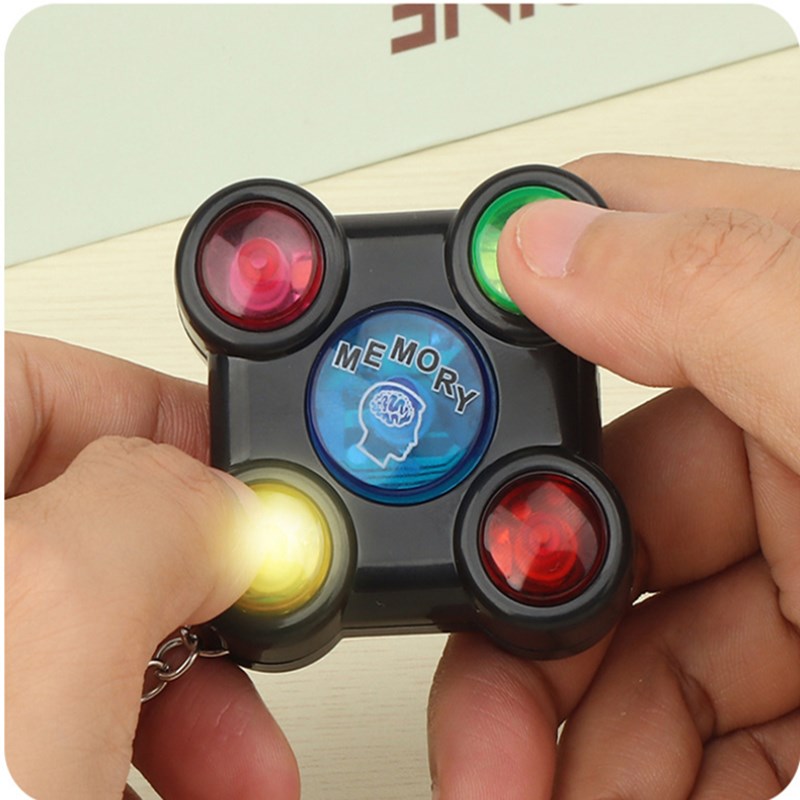
The Memory Training Educational Kids Toy at $13.95 focuses on a different but related cognitive skill. While the coordination toy trains the body-brain connection, this memory toy strengthens working memory and recall. Used together, they provide a comprehensive cognitive workout.
Working memory is closely linked to coordination. Children must remember where objects are going while simultaneously planning their physical response. Pairing these two toys creates a training regimen that addresses both the memory and motor components of coordination.
Areas for Improvement
Limited multiplayer: The toy is designed primarily for solo play. A two-player competitive mode would add social engagement and extend the toy's lifespan.
Ball loss risk: Small balls can roll under furniture and get lost. Including extra balls in the package would address this common issue.
Noise level: The balls clicking against the toy surface create noticeable noise during play. In quiet environments like apartments, this could be a concern during early morning or late evening play sessions.
Age Recommendation
The manufacturer recommends ages 3 and up, which aligns with our testing. Children aged 3 to 4 benefit from the basic mode, while children aged 5 to 8 engage with advanced difficulty levels. Children over 8 may find the toy less challenging unless they are working on specific coordination deficits.
Final Verdict
The Children's Eye-Hand Coordination Ball Catching Toy is a focused, effective tool for developing a critical skill. At $36.95, it is competitively priced for a specialized developmental toy. Paired with the Memory Training Toy at $13.95, families can create a comprehensive cognitive development toolkit for under $55.
Rating: 4 out of 5
Buy the Eye-Hand Coordination Toy for $36.95
Frequently Asked Questions
How long should children play with coordination toys each day?
Developmental specialists recommend 10 to 15 minutes of focused coordination practice for young children. Shorter, regular sessions are more effective than occasional long sessions.
Can this toy help children who struggle with handwriting?
Yes, eye-hand coordination is a foundational skill for handwriting. Strengthening this connection through play can indirectly improve pencil control and letter formation.
Is this toy suitable for children with developmental delays?
Many occupational therapists use similar coordination toys in therapy sessions. However, consult your child's therapist before introducing new tools to ensure they align with the child's specific developmental plan.
Written by
You might also like
 81
81
Best Creative Craft Kits for Kids: Art Projects They'll Actually Finish
Discover the best creative craft kits for kids that they will actually finish. From sculpting and glass painti...
Our Favorite Ways to Bring Love, Peace, and Whimsy Into Your Child's World
From imaginative play sets to calming mindfulness tools, these are our favorite picks that bring love, peace,...
Our Favorite Bring Your Love, Peace, and Whimsy! Toys and Gifts for Kids
Discover 8 whimsical toys and gifts that bring love, peace, and creative wonder into your child's world while...