Age-Appropriate Chores for Kids: Building Responsibility and Life Skills
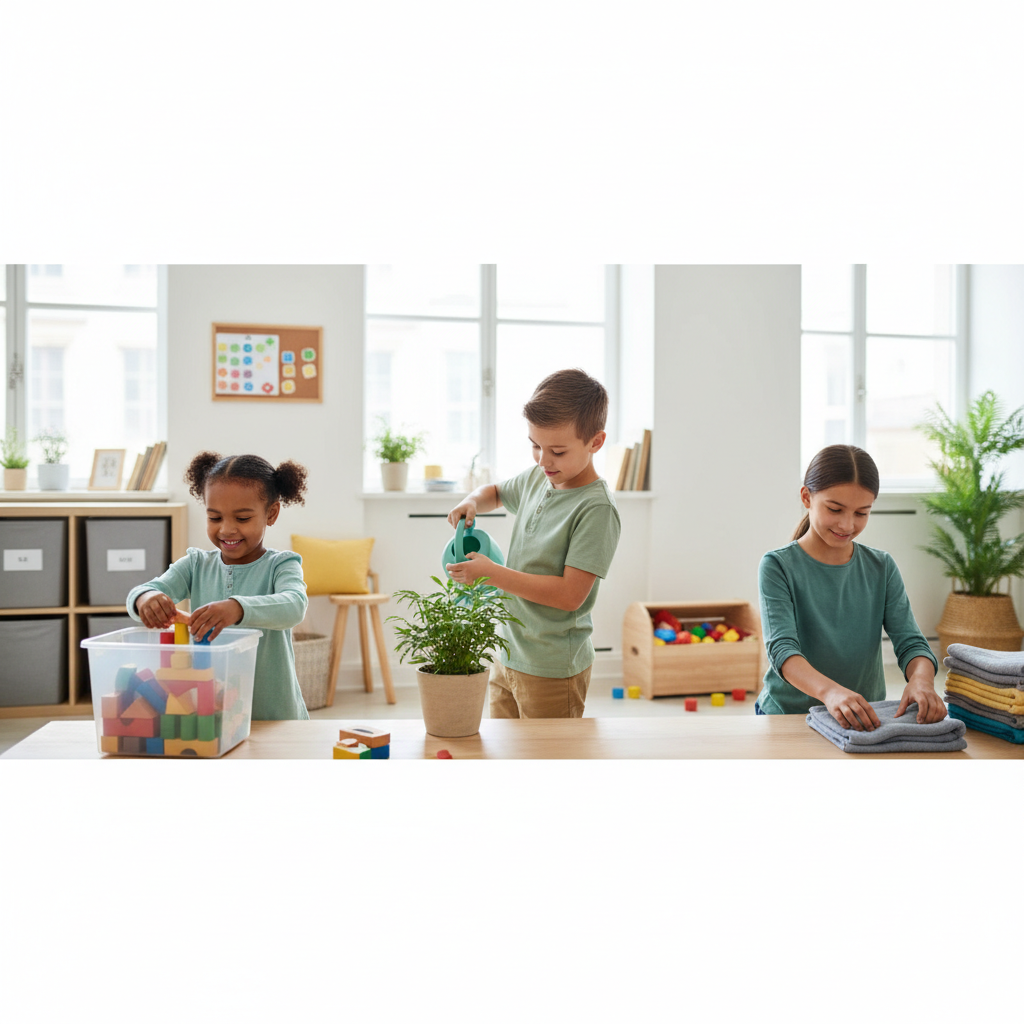
Assigning age-appropriate chores for kids is one of the most effective ways to build responsibility, self-discipline, and practical life skills. Research from the University of Minnesota's longest-running study on human development found that the single strongest predictor of young adult success was whether they participated in household chores starting at age three or four. Chores teach children that they are capable, contributing members of a family unit.
Why Chores Matter More Than You Think
Dr. Marty Rossmann, who led the University of Minnesota study tracking participants for over 20 years, found that adults who began doing chores as young children were more likely to complete their education, begin careers early, and maintain healthy relationships. The correlation was stronger than IQ, family income, or any other single variable measured.
Chores develop executive function skills including planning, task initiation, sustained attention, and task completion. Dr. William Stixrud, neuropsychologist and co-author of "The Self-Driven Child," explains that when children complete chores, they experience a sense of competence that builds intrinsic motivation and self-efficacy.
Chores by Age Group
Ages 2 to 3: Introduction to Helping
At this age, children are eager to imitate adults and love feeling helpful. Focus on simple, supervised tasks. Putting toys back on shelves or in bins. Placing dirty clothes in the hamper. Wiping up small spills with a cloth. Feeding pets with supervision. Carrying lightweight items to the table.
Key principle: Expect imperfection and praise effort. The goal is establishing the habit of contributing, not achieving adult-quality results.
Ages 4 to 5: Building Independence
Preschoolers can handle slightly more complex tasks with verbal reminders. Making their bed (pulling up covers, placing pillows). Setting the table with unbreakable items. Sorting laundry by color. Watering plants with a small watering can. Clearing their own plate after meals. Picking up toys without being asked (with established routines).
Key principle: Create consistent routines. When chores happen at the same time each day, they become automatic rather than requiring negotiation.
Ages 6 to 8: Taking Ownership
School-age children are ready for tasks that require multiple steps and some decision-making. Folding and putting away their own laundry. Sweeping floors with a child-sized broom. Helping prepare simple meals like sandwiches or salads. Taking out trash from small bins. Caring for pets including feeding, watering, and basic grooming. Organizing their own school supplies and backpack.
Key principle: Teach the full process, not just the physical task. Show children how to check their work and what "done well" looks like.
Ages 9 to 11: Expanding Responsibility
Pre-teens can handle most household tasks with initial instruction. Loading and unloading the dishwasher. Vacuuming and mopping floors. Doing their own laundry from start to finish. Preparing simple meals independently. Cleaning bathrooms with non-toxic products. Basic yard work including raking, weeding, and watering. Watching younger siblings for short periods.
Key principle: Allow natural consequences when appropriate. If they forget to do their laundry, they wear wrinkled clothes. These experiences teach responsibility more effectively than lectures.
Ages 12 and Up: Near-Adult Competence
Teenagers should be capable of running a household for a day if needed. Cooking complete meals for the family. Deep cleaning any room in the house. Mowing the lawn and basic garden maintenance. Managing their own schedule and commitments. Basic car maintenance like washing and interior cleaning. Grocery shopping from a list. Minor home repairs with supervision.
Key principle: Connect chores to real-world preparation. Frame tasks as life skills they will need when they live independently rather than obligations imposed by parents.
How to Introduce Chores Successfully
Start with one or two chores and add gradually. Demonstrate the task fully before expecting independent completion. Use chore charts for younger children who respond well to visual tracking. Avoid tying allowance directly to chores, as research suggests this can undermine intrinsic motivation. Instead, frame chores as family contributions while keeping allowance as a separate financial literacy tool.
Dealing with Resistance
Resistance is normal and expected. Avoid power struggles by offering choices: "Would you like to set the table or feed the dog?" Use when-then framing: "When your room is clean, then you can play outside." Stay calm and consistent. Children test boundaries around chores just as they do in other areas. Your consistency teaches that contributions are non-negotiable expectations, not optional requests.
Frequently Asked Questions
Should children be paid for doing chores?
Child development experts are divided on this. Many recommend separating base chores (unpaid family contributions) from optional extra tasks (which can earn money). This teaches both responsibility and work ethic. Dr. Ron Lieber, financial literacy advocate, suggests a small base allowance with opportunities to earn more through additional tasks beyond the basic expectations.
My child does a terrible job. Should I redo their work?
Resist the urge to redo or criticize. Redoing their work communicates that their efforts are not valued. Instead, gently guide improvement over time: "Great start. Next time, try getting the corners too." Progress matters more than perfection.
How do I handle chore disputes between siblings?
Rotate chores weekly to prevent resentment. Create a visible chore chart that assigns tasks fairly. Allow siblings to trade chores by mutual agreement. Hold family meetings to discuss and adjust chore assignments as children grow and capabilities change.
Is it too late to start chores with my teenager?
It is never too late, but expect initial pushback. Start with a conversation about why chores matter for their future independence. Begin with two or three tasks, establish expectations clearly, and increase gradually. Teenagers respond better when treated as capable rather than when nagged.
Written by
You might also like
 81
81
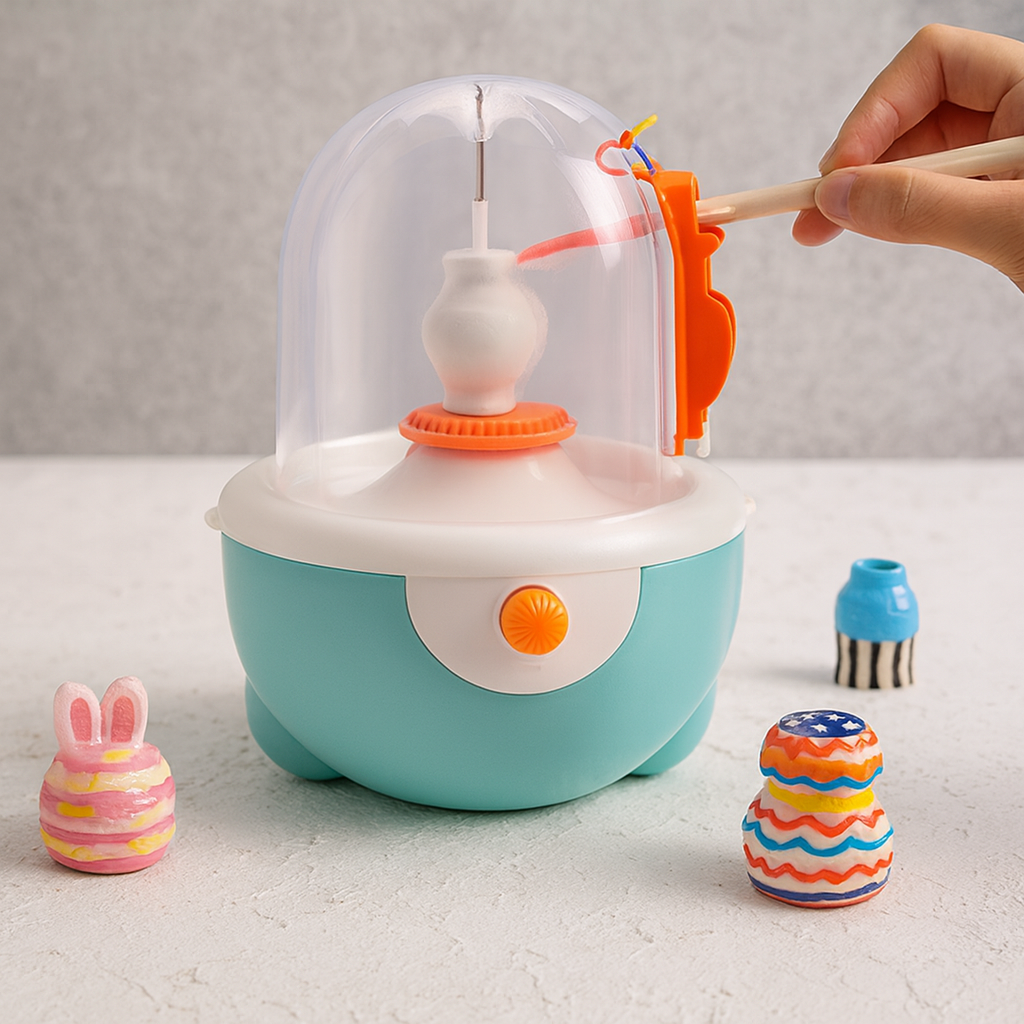
Best Creative Craft Kits for Kids: Art Projects They'll Actually Finish
Discover the best creative craft kits for kids that they will actually finish. From sculpting and glass painti...
Our Favorite Ways to Bring Love, Peace, and Whimsy Into Your Child's World
From imaginative play sets to calming mindfulness tools, these are our favorite picks that bring love, peace,...
Our Favorite Bring Your Love, Peace, and Whimsy! Toys and Gifts for Kids
Discover 8 whimsical toys and gifts that bring love, peace, and creative wonder into your child's world while...