15 Brain-Boosting Foods for Kids: What to Feed Your Child for Better Focus and Learning
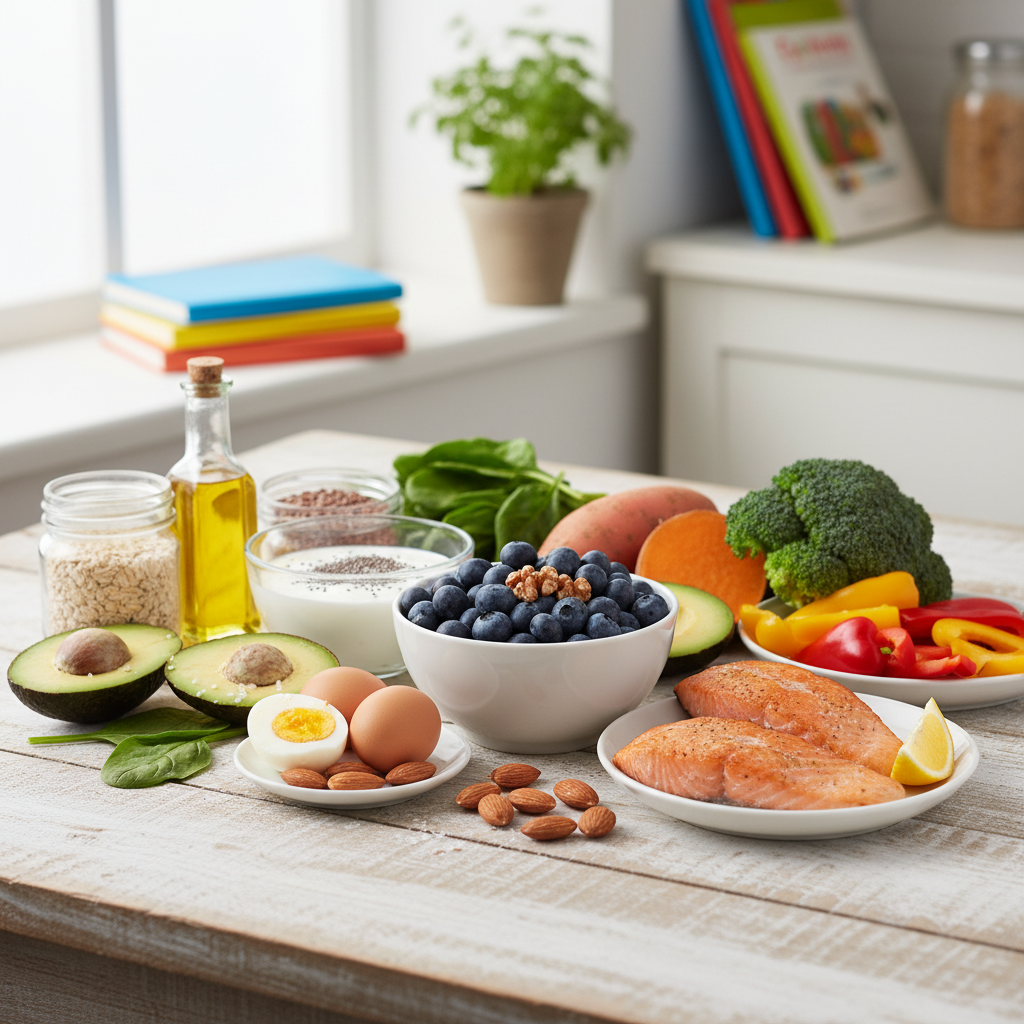
What your child eats directly impacts how their brain develops, how well they focus in school, and how effectively they learn and retain new information. The science is unequivocal: brain-boosting foods for kids are not a marketing gimmick but a well-documented area of nutritional neuroscience. According to Harvard Health Publishing, the brain consumes about 20% of the body's total energy, and in growing children, that percentage is even higher. Feeding your child the right nutrients during these critical developmental years can have lasting effects on their cognitive abilities.
How Nutrition Affects Children's Brain Development
The human brain undergoes its most rapid development during the first ten years of life. During this period, proper nutrition provides the building blocks for neurotransmitter production, myelin formation (the insulation around nerve fibers), and synaptogenesis (the creation of new neural connections). A 2024 study published in Nature Neuroscience found that children with diets rich in omega-3 fatty acids, antioxidants, and complex carbohydrates showed 15% greater gray matter volume in brain regions associated with memory and learning compared to children with nutrient-poor diets.
Dr. Uma Naidoo, a nutritional psychiatrist at Harvard Medical School and author of This Is Your Brain on Food, states: "Every bite of food a child eats is either feeding their brain or starving it. The connection between diet and cognitive function is one of the most powerful levers parents have for supporting their child's development."
The 15 Best Brain Foods for Children
1. Fatty Fish (Salmon, Sardines, Mackerel)
Fatty fish are the richest dietary source of omega-3 fatty acids, particularly DHA (docosahexaenoic acid), which makes up nearly 40% of the polyunsaturated fatty acids in the brain. A 2025 study in the American Journal of Clinical Nutrition found that children who consumed fatty fish at least twice per week scored 13% higher on reading comprehension tests. Serve grilled salmon, fish tacos, or sardines on toast.
2. Eggs
Eggs are packed with choline, a nutrient essential for the production of acetylcholine, a neurotransmitter critical for memory and learning. According to the National Institutes of Health, most children do not consume adequate choline. One large egg provides approximately 150mg of choline, about half the daily recommended intake for children aged 4-8. Scrambled eggs, omelets, or hard-boiled eggs make easy, kid-friendly options.
3. Blueberries
Often called "brain berries" by neuroscientists, blueberries are loaded with anthocyanins, powerful antioxidants that cross the blood-brain barrier and accumulate in brain regions involved in learning and memory. Research from the University of Reading (2024) found that children who consumed blueberries showed improved memory recall within two hours of consumption. Add them to oatmeal, yogurt, or smoothies.
4. Oats and Whole Grains
The brain's primary fuel source is glucose, and whole grains provide a steady, sustained release of glucose throughout the day. According to the British Dietetic Association, children who eat whole-grain breakfast perform better on attention and memory tasks throughout the morning compared to those who skip breakfast or eat refined carbohydrates. Oatmeal, whole wheat bread, and brown rice are excellent choices.
5. Nuts and Seeds (Walnuts, Almonds, Pumpkin Seeds)
Walnuts are particularly noteworthy because they contain the highest amount of DHA among all nuts. Pumpkin seeds are rich in zinc, which is vital for nerve signaling. A study in Nutrients (2024) linked adequate zinc intake in children with improved attention and cognitive processing speed. Offer nuts as snacks, in trail mix, or as nut butter on whole grain bread.
6. Leafy Green Vegetables
Spinach, kale, and other leafy greens contain folate, lutein, and vitamin K, all of which support cognitive function. A 2025 study from the University of Illinois found that children with higher lutein levels demonstrated faster neural processing speeds. Sneak greens into smoothies, blend them into pasta sauces, or serve as part of a colorful salad.
7. Greek Yogurt
Full-fat Greek yogurt provides protein, B vitamins, and healthy fats that keep brain cell membranes flexible and support the brain's ability to send and receive information. The probiotics in yogurt also support the gut-brain axis. Emerging research published in Gut Microbes (2025) suggests that a healthy gut microbiome positively influences mood, behavior, and cognitive function in children.
8. Avocados
Rich in monounsaturated fats that support healthy blood flow to the brain, avocados also provide vitamin E, folate, and potassium. The Hass Avocado Board funded a 2024 study showing that children who consumed half an avocado daily for six months demonstrated improved sustained attention. Serve as guacamole, on toast, or blended into smoothies.
9. Beans and Lentils
These affordable superfoods provide complex carbohydrates for steady energy, protein for neurotransmitter production, and iron for oxygen delivery to the brain. Iron deficiency is the most common nutritional deficiency worldwide, and the WHO estimates it affects 40% of children under five globally. Black beans, chickpeas, and lentils can be added to soups, tacos, and salads.
10. Dark Chocolate (70%+ Cocoa)
Dark chocolate contains flavonoids that increase blood flow to the brain and may improve memory and attention. A 2024 review in Frontiers in Nutrition found that cocoa flavonoids improved working memory in children within 90 minutes of consumption. Offer small portions of high-quality dark chocolate as an occasional treat, not a daily staple.
11. Berries (Strawberries, Raspberries, Blackberries)
Beyond blueberries, all berries are rich in antioxidants and vitamin C, which protects brain cells from oxidative damage. The polyphenols in berries have been shown to improve communication between brain cells. Fresh or frozen, berries make excellent snacks, smoothie ingredients, or dessert toppings.
12. Sweet Potatoes
Packed with beta-carotene (which the body converts to vitamin A), complex carbohydrates, and vitamin C, sweet potatoes support both brain energy needs and immune function. Baked sweet potato fries, mashed sweet potato, or sweet potato pancakes are kid-friendly options.
13. Broccoli
Broccoli is rich in compounds called glucosinolates, which may slow the breakdown of acetylcholine. It also provides vitamin K, which is linked to better cognitive function. A study in The Journal of Nutrition (2024) found that children with higher vitamin K intake performed better on verbal memory tests. Serve steamed with cheese sauce, roasted, or raw with dip.
14. Lean Meat (Turkey, Chicken)
Lean meats provide iron, zinc, and B12, all critical for brain development. Iron carries oxygen to the brain, and even mild iron deficiency can impair cognitive function and attention. The American Academy of Pediatrics recommends regular iron-rich protein sources starting from six months of age.
15. Turmeric
Curcumin, the active compound in turmeric, has potent anti-inflammatory and antioxidant properties. Research from UCLA (2025) found that curcumin may boost brain-derived neurotrophic factor (BDNF), a protein that supports the growth of new brain cells. Add a small amount of turmeric to scrambled eggs, rice dishes, or golden milk.
Practical Tips for Feeding Picky Eaters Brain-Healthy Foods
Knowing which foods are best is only half the battle. Getting children to actually eat them requires strategy:
- Start small and mix in: Blend spinach into fruit smoothies, add finely chopped walnuts to pancake batter, or stir pureed sweet potato into mac and cheese.
- Make it fun: Use cookie cutters on whole grain sandwiches, create colorful food art on plates, or let children build their own trail mix from brain-healthy ingredients.
- Involve children in cooking: Studies show that children are more likely to eat foods they helped prepare. Let them wash berries, stir oatmeal, or spread avocado on toast.
- Be patient with exposure: Research suggests children may need to be exposed to a new food 10-15 times before accepting it. Continue offering without pressure.
Nourishing your child's brain does not require exotic superfoods or expensive supplements. It requires consistently offering whole, nutrient-dense foods while limiting processed foods, added sugars, and artificial ingredients. By incorporating these 15 brain-boosting foods into your family's regular meals, you are investing in your child's cognitive development, academic performance, and lifelong health.
Written by
You might also like
 81
81
Best Creative Craft Kits for Kids: Art Projects They'll Actually Finish
Discover the best creative craft kits for kids that they will actually finish. From sculpting and glass painti...
Our Favorite Ways to Bring Love, Peace, and Whimsy Into Your Child's World
From imaginative play sets to calming mindfulness tools, these are our favorite picks that bring love, peace,...
Our Favorite Bring Your Love, Peace, and Whimsy! Toys and Gifts for Kids
Discover 8 whimsical toys and gifts that bring love, peace, and creative wonder into your child's world while...