Top 5 Montessori Toys That Actually Work: Parent-Tested Guide
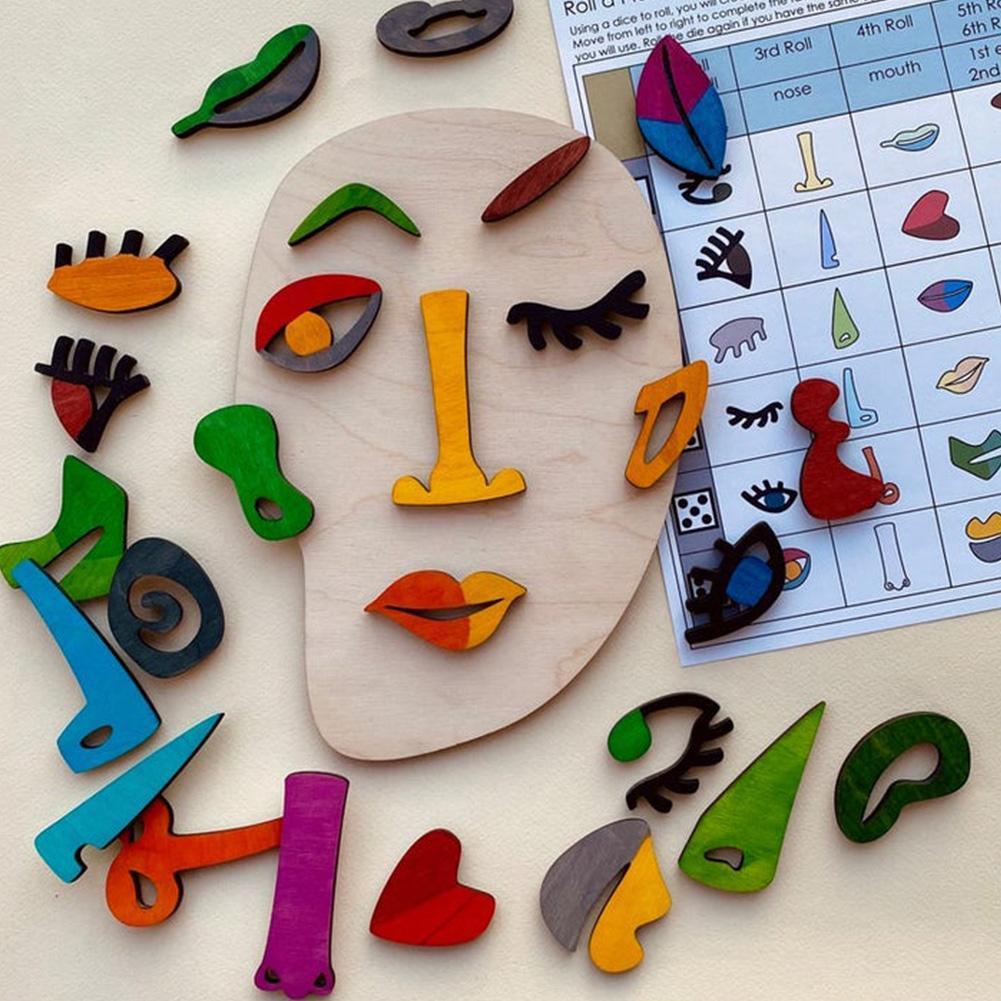
The Montessori method has surged in popularity, and so have Montessori toys that actually work. But not every toy labeled "Montessori" lives up to its promise. We tested five highly rated Montessori-inspired toys with real families to find out which ones genuinely support independent learning, concentration, and developmental milestones.
What Makes a Toy Truly Montessori?
Authentic Montessori materials share key characteristics: they are made from natural materials when possible, they isolate one skill or concept at a time, they are self-correcting so children can learn from mistakes independently, and they invite open-ended exploration. Dr. Maria Montessori emphasized that the best learning tools let children teach themselves through repeated interaction.
1.Playtime Montessori Wooden Puzzle
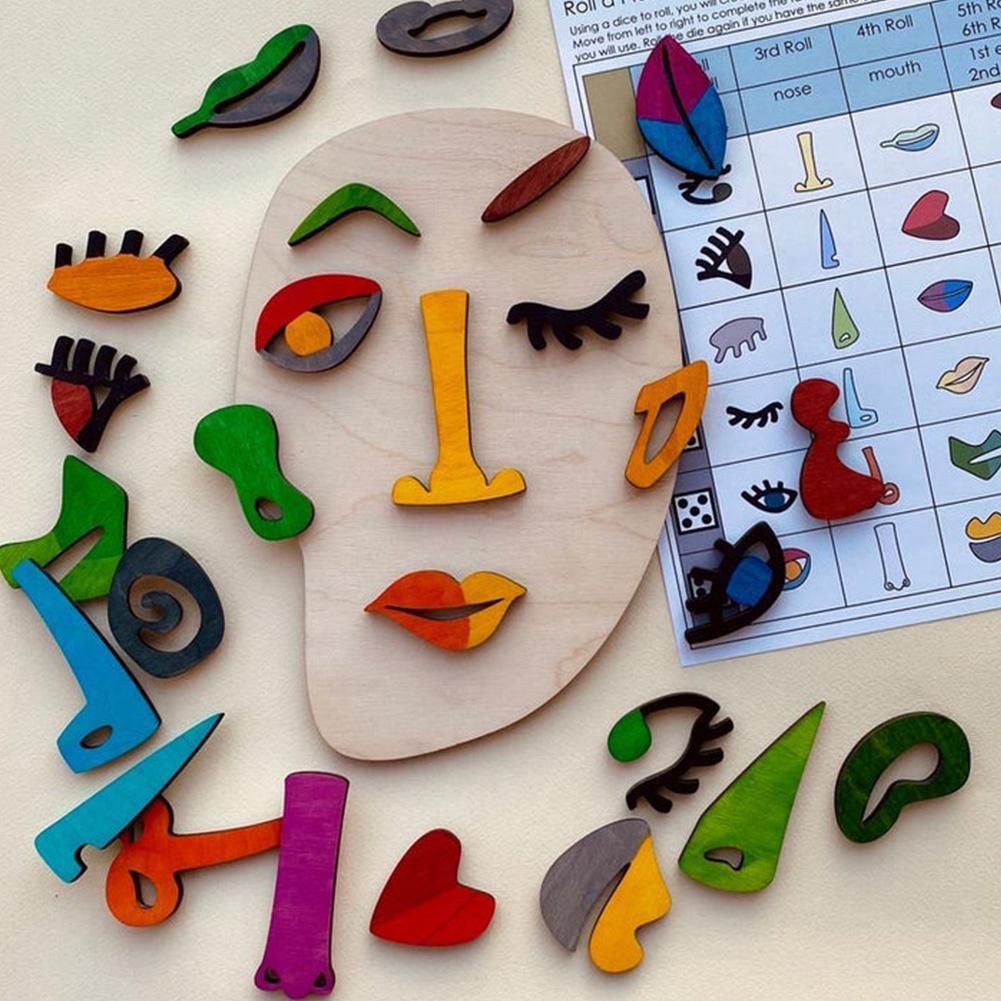
The Playtime Montessori Wooden Puzzle exemplifies Montessori principles with its clean wooden design and shape-sorting mechanism. Each piece fits only in its correct slot, providing built-in error correction that lets toddlers learn independently.
Parent feedback: "My 2-year-old figured out the shapes within a week and now completes it confidently on her own. It was the first toy where I saw her truly concentrate." At $19.95, it is an accessible starting point for any Montessori-curious family.
2.Educational Wooden Multiplication Montessori Board
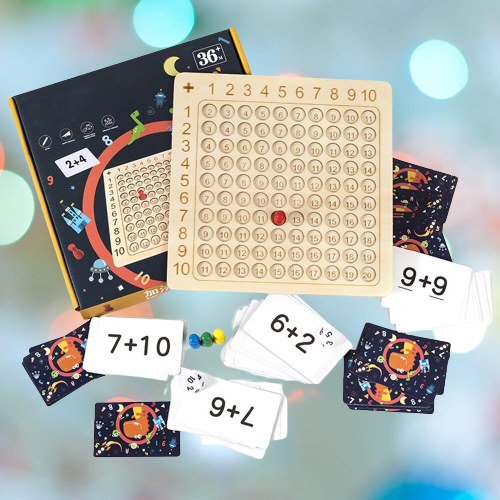
Math anxiety often starts early, but the Educational Wooden Multiplication Montessori Board turns multiplication into a tactile, visual experience. Children place wooden blocks on a grid to see how multiplication works spatially, not just abstractly.
Parent feedback: "My 7-year-old went from dreading times tables to asking to practice. The physical grid makes multiplication click in a way flashcards never did." Priced at $22.95, this board is a must-have for elementary-age math learners.
3.Frog Balance Ultimate Fun Montessori Toy
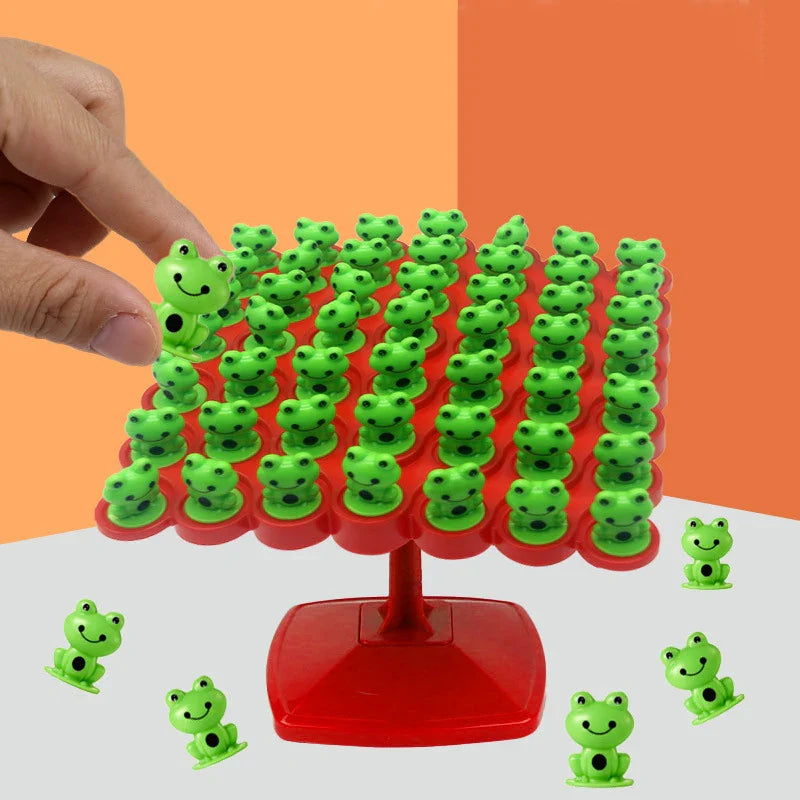
The Frog Balance Ultimate Fun Montessori Toy teaches number concepts and basic arithmetic through a balance scale. Children add weighted frogs to each side, learning that 3 plus 2 equals 5 by physically seeing the scale balance.
Parent feedback: "Brilliant for preschoolers. My son plays with it daily and has started understanding addition without any formal teaching." At only $13.95, this is one of the best value Montessori toys on the market.
4.Expressive Face Montessori Cube Game
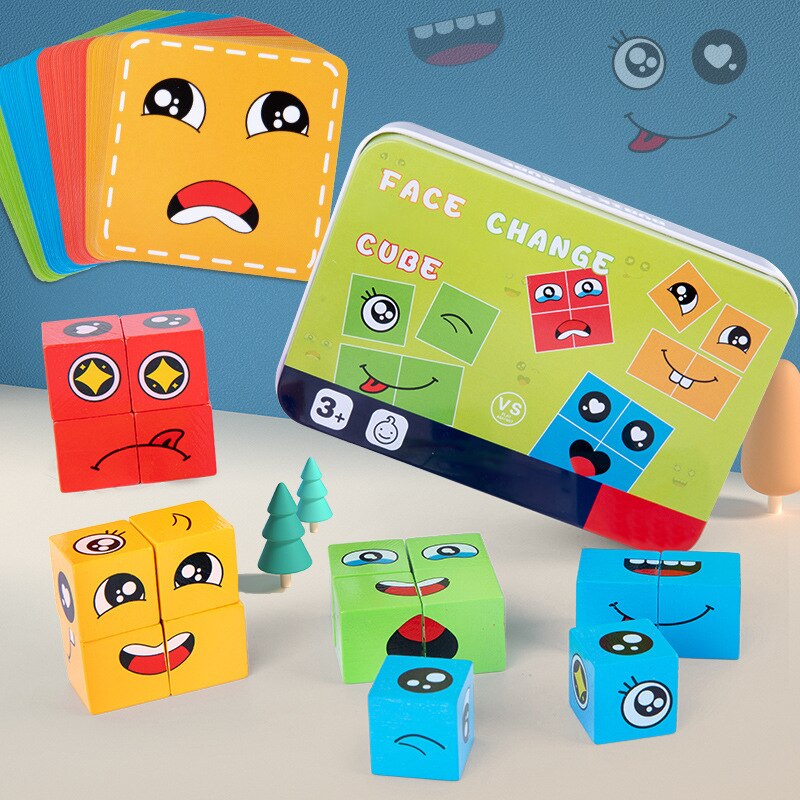
Emotional intelligence is just as important as academic skills. The Expressive Face Montessori Cube Game helps children identify and express emotions by assembling different facial expressions using wooden cubes. It supports social-emotional development in a playful, non-threatening way.
Parent feedback: "We use this during our calm-down routine. My daughter picks the face that matches how she feels, and it opens up conversations we would not have otherwise." At $24.95, it addresses an often-overlooked area of child development.
5.6in1 Smart Kids Skill Learning Cube Toy
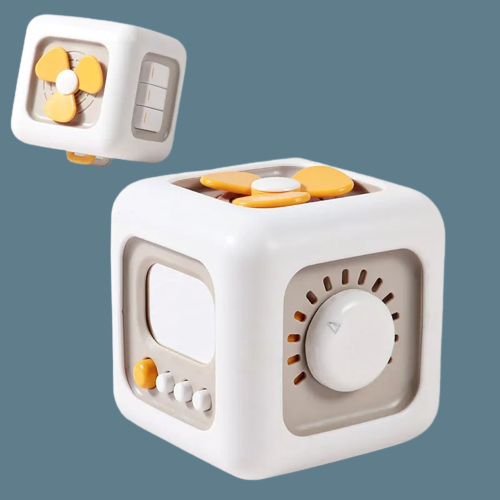
The 6in1 Smart Kids Skill Learning Cube Toy packs six different activities into one compact cube. Children practice shape sorting, gear turning, bead sliding, and more. Each face of the cube isolates a different fine motor or cognitive skill.
Parent feedback: "The variety keeps my toddler engaged for much longer than single-purpose toys. He rotates to a new side whenever he gets bored." At $16.95, the six-in-one value is hard to beat.
Tips for Introducing Montessori Toys at Home
Start with just two or three toys at a time. Montessori environments avoid clutter and overstimulation. Rotate toys every two weeks to maintain novelty. Place toys on low, accessible shelves so children can choose independently. Resist the urge to show your child how to use the toy immediately. Instead, demonstrate once slowly and then let them explore.
Frequently Asked Questions
At what age should I introduce Montessori toys?
Simple grasping and sensory toys can be introduced as early as three months. Shape sorters and stacking toys work well from 12 months onward. Math-focused Montessori materials suit children from age four and up.
Do Montessori toys need to be wooden?
While traditional Montessori materials favor natural materials like wood for their sensory qualities and durability, the principles matter more than the material. A well-designed plastic toy that isolates a single concept and is self-correcting still aligns with Montessori philosophy.
How many Montessori toys should a child have?
Less is more. Experts recommend having five to eight toys available at any time, with others stored for rotation. This reduces overwhelm and encourages deeper engagement with each toy.
Written by
You might also like
 81
81
Best Creative Craft Kits for Kids: Art Projects They'll Actually Finish
Discover the best creative craft kits for kids that they will actually finish. From sculpting and glass painti...
Our Favorite Ways to Bring Love, Peace, and Whimsy Into Your Child's World
From imaginative play sets to calming mindfulness tools, these are our favorite picks that bring love, peace,...
Our Favorite Bring Your Love, Peace, and Whimsy! Toys and Gifts for Kids
Discover 8 whimsical toys and gifts that bring love, peace, and creative wonder into your child's world while...