How to Teach Your Child to Read Early: A Research-Backed Guide for Parents
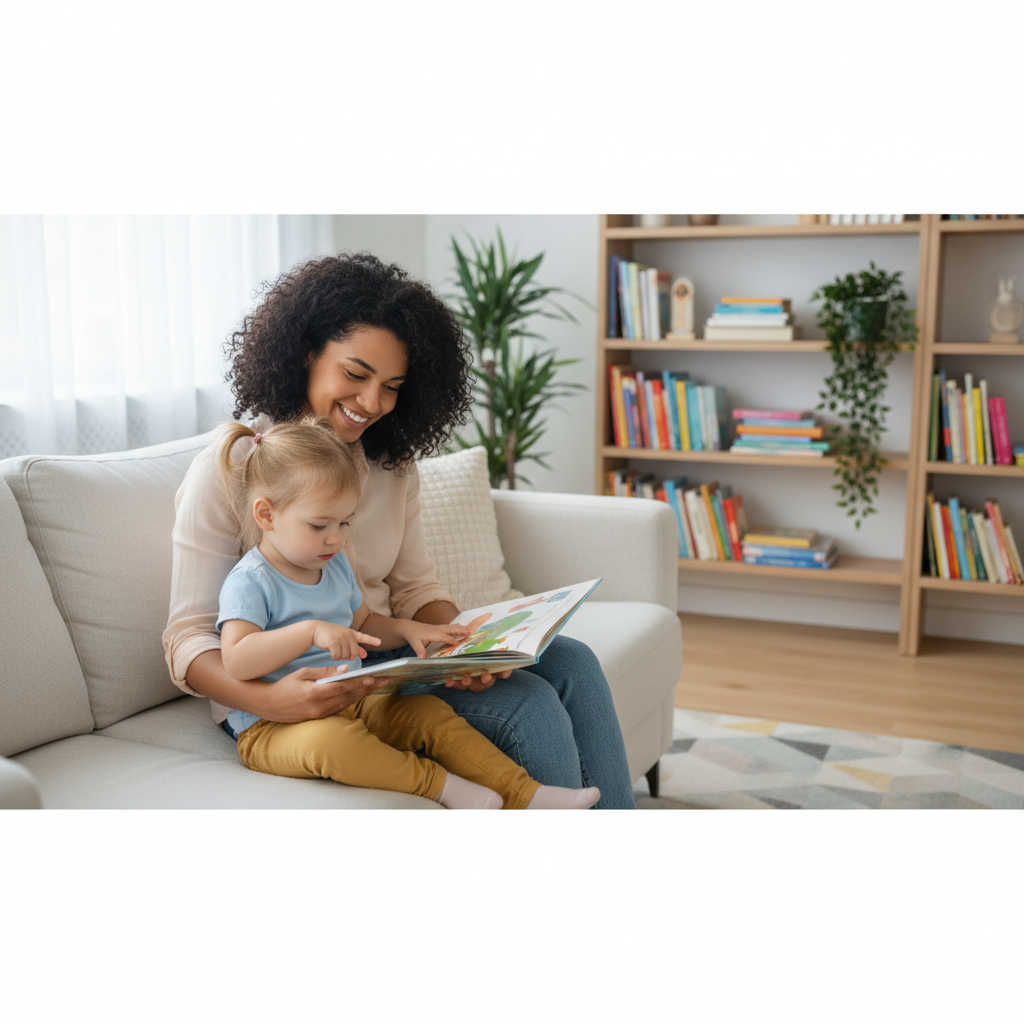
Every parent wonders about the right time to teach their child to read early, and the answer is more nuanced than you might expect. Research from the National Institute of Child Health and Human Development shows that children who develop reading skills before entering kindergarten are significantly more likely to become proficient readers by third grade and beyond. The key is not pushing children before they are ready, but recognizing the windows of opportunity and providing the right support at the right time.
When Is Your Child Ready to Learn to Read?
Reading readiness varies from child to child, but most children show key indicators between ages two and five. According to the International Literacy Association, signs that your child may be ready for early reading instruction include:
- Showing interest in books and asking to be read to
- Recognizing some letters, especially those in their own name
- Attempting to "read" by retelling stories from memory
- Noticing print in the environment, such as signs and labels
- Being able to hear and produce rhyming words
Dr. Sally Shaywitz, a leading reading researcher at Yale University, emphasizes that "the brain is primed for language acquisition from birth, and early exposure to the components of reading creates neural pathways that make formal reading instruction dramatically more effective." This does not mean drilling flashcards with infants. It means building a rich language environment from the very start.
Building Phonemic Awareness: The Foundation of Reading
Before children can decode written words, they need to understand that spoken words are made up of individual sounds called phonemes. A landmark study published in the Journal of Educational Psychology (2023) confirmed that phonemic awareness is the single strongest predictor of future reading success, even more than IQ or socioeconomic background.
Here are proven activities to build phonemic awareness at home:
- Rhyming Games: Read rhyming books like those by Dr. Seuss and ask your child to identify and produce rhyming words. "What rhymes with cat? Hat! Bat!" This develops the ability to hear sound patterns.
- Sound Segmentation: Say a word slowly and ask your child to identify each sound. "Cat" becomes /c/ /a/ /t/. Start with simple three-letter words and gradually increase complexity.
- I Spy with Sounds: "I spy something that starts with the /b/ sound." This game connects letter sounds to real objects and builds phonemic awareness naturally.
- Clapping Syllables: Clap the syllables in words together. "El-e-phant" gets three claps. This helps children understand word structure and rhythm.
Systematic Phonics: Teaching the Letter-Sound Connection
The National Reading Panel, commissioned by the U.S. Congress, concluded that systematic phonics instruction is the most effective approach to teaching reading. This means teaching letter-sound relationships in a structured, sequential order rather than teaching whole words by sight alone.
A recommended progression for home instruction:
- Start with consonants and short vowels: Teach the sounds of letters like s, a, t, p, i, n first. These allow children to begin blending simple words quickly (sat, pin, tap).
- Introduce blending: Once children know five to eight letter sounds, teach them to blend sounds together. Point to each letter while saying its sound, then blend them: /s/ /a/ /t/ = "sat."
- Add consonant blends: Introduce combinations like "bl," "cr," "st" once single consonants are mastered.
- Teach long vowels and vowel teams: Introduce the silent-e rule (make, bike) and vowel combinations (rain, boat, see).
- Practice with decodable books: Use books specifically designed to include only the phonics patterns your child has learned. According to Dr. Louisa Moats, author of Speech to Print, "decodable texts give children the experience of success that builds reading confidence and fluency."
The Role of Sight Words
While phonics provides the primary decoding strategy, some high-frequency words in English do not follow regular phonics rules. Words like "the," "said," "was," and "have" appear so often in text that children benefit from recognizing them automatically.
The Dolch word list and the Fry word list are the two most commonly referenced sight word lists. Research from the University of Oregon suggests that knowing just the first 100 Fry words allows a child to read approximately 50% of any English text. Effective strategies for teaching sight words include:
- Flashcard practice: Brief, daily sessions of five to ten minutes reviewing sight words. Keep it fun and pressure-free.
- Word walls: Post sight words around your home where children see them regularly. Label common objects and areas.
- Writing practice: Have children trace and write sight words. The motor memory reinforces visual recognition. A 2025 study in Developmental Science found that handwriting activates brain regions associated with reading in ways that typing does not.
- Games: Play memory matching games, bingo, or scavenger hunts with sight word cards.
Reading Aloud: The Most Powerful Daily Habit
The single most impactful thing you can do to support your child's reading development is read aloud to them every day. The American Academy of Pediatrics recommends reading aloud starting from birth. A 2024 study by Ohio State University calculated that children who are read five books per day enter kindergarten having heard approximately 1.4 million more words than children who were never read to.
To maximize the benefits of read-aloud time:
- Use expressive voices and vary your pacing to keep children engaged.
- Run your finger under words as you read to build print awareness.
- Ask prediction questions: "What do you think will happen next?"
- Discuss vocabulary: "The bear was ferocious. That means very fierce."
- Let your child choose books. Interest-driven reading builds intrinsic motivation.
Creating a Literacy-Rich Home Environment
Dr. Jim Trelease, author of The Read-Aloud Handbook, argues that "the home environment is a more powerful factor in reading achievement than the school environment." Here are practical ways to fill your home with literacy:
- Keep books in every room, not just the bedroom. Accessible books get read more.
- Visit the library weekly. Let your child get their own library card as early as your library allows.
- Model reading. When children see parents reading for pleasure, they internalize reading as a valuable activity.
- Label objects around the house with printed words. This builds environmental print awareness.
- Write together. Encourage children to dictate stories while you write them down, then read them back together.
Common Mistakes to Avoid
As you embark on teaching your child to read, be aware of these common pitfalls that researchers warn against:
- Making it stressful: If a reading session becomes a battle, stop and try again later. Negative associations with reading can cause lasting damage to a child's motivation.
- Skipping phonemic awareness: Jumping straight to letter recognition without building sound awareness creates gaps that become harder to fill over time.
- Relying solely on memorization: While sight words are important, children need phonics skills to decode unfamiliar words independently.
- Comparing to other children: Development timelines vary widely. According to the National Education Association, some children read at four while others are not ready until six or seven, and both are completely normal.
Teaching your child to read is a journey, not a race. By building phonemic awareness, introducing systematic phonics, supplementing with sight words, and reading aloud daily, you are creating a foundation that will support your child's literacy for a lifetime. The most important thing is consistency: short, daily practice in a supportive environment will yield remarkable results over time.
Written by
You might also like
 81
81
Best Creative Craft Kits for Kids: Art Projects They'll Actually Finish
Discover the best creative craft kits for kids that they will actually finish. From sculpting and glass painti...
Our Favorite Ways to Bring Love, Peace, and Whimsy Into Your Child's World
From imaginative play sets to calming mindfulness tools, these are our favorite picks that bring love, peace,...
Our Favorite Bring Your Love, Peace, and Whimsy! Toys and Gifts for Kids
Discover 8 whimsical toys and gifts that bring love, peace, and creative wonder into your child's world while...