Screen Time Guidelines for Children in 2026: What Every Parent Needs to Know
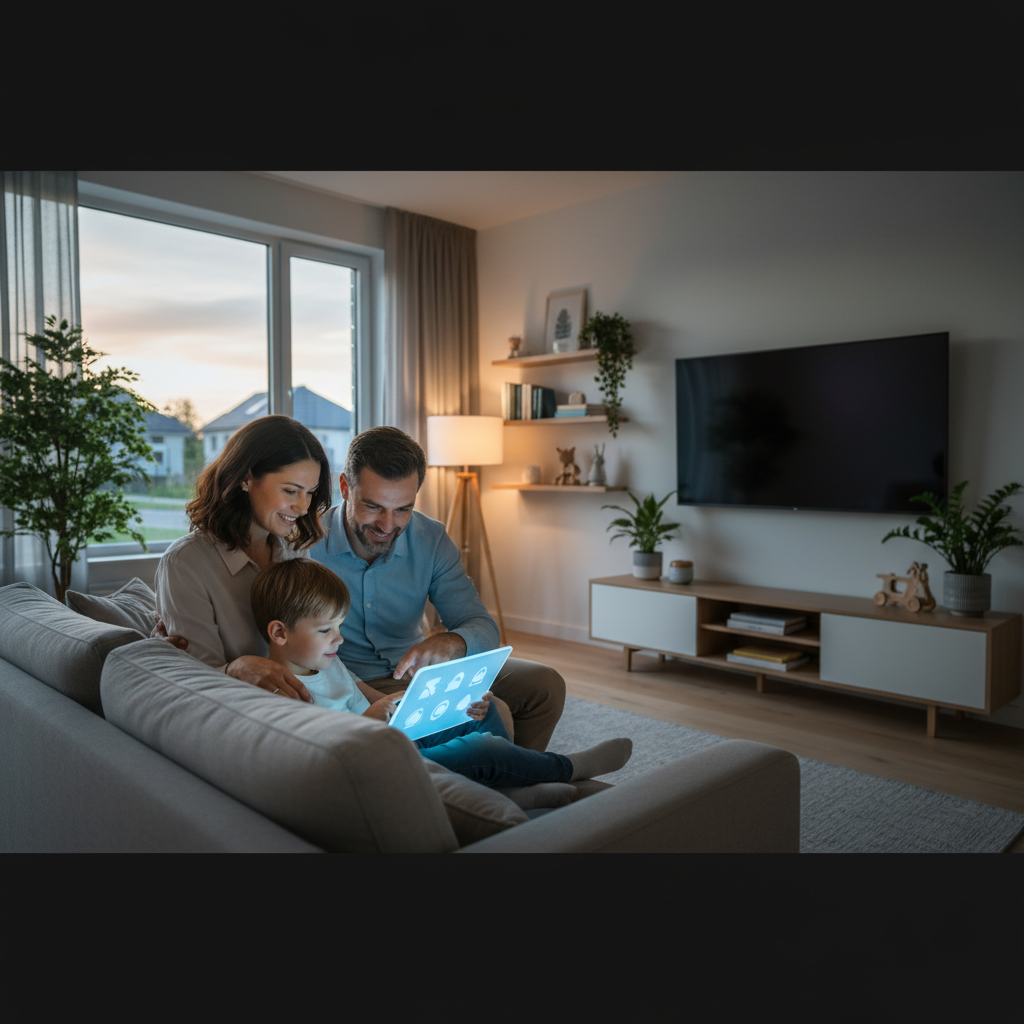
Managing screen time guidelines for children has become one of the most challenging aspects of modern parenting. With tablets in classrooms, educational apps on phones, and streaming services offering endless content, the question is no longer whether children will use screens but how much is too much and what kind of screen time is appropriate. In 2026, the research is clearer than ever, and the guidance has evolved beyond simple time limits to focus on the quality, context, and purpose of digital engagement.
Current Recommendations by Age Group
The American Academy of Pediatrics (AAP) updated their media guidelines in late 2025, and the World Health Organization (WHO) maintains complementary recommendations. Here is what the latest evidence supports:
- Under 18 months: Avoid screen media other than video chatting with family. The AAP notes that infants learn best through direct human interaction, and screens can interfere with critical bonding and language development during this period.
- 18 to 24 months: If parents wish to introduce digital media, choose high-quality programming and watch it together. Co-viewing helps toddlers understand and transfer what they see on screen to the real world. According to a 2025 study in JAMA Pediatrics, toddlers who co-viewed educational content with a parent showed 40% greater vocabulary gains than those who watched alone.
- Ages 2 to 5: Limit screen use to one hour per day of high-quality programs. Programs like Sesame Street and Daniel Tiger have been shown in peer-reviewed research to produce measurable educational benefits when viewed in moderation.
- Ages 6 to 12: Establish consistent limits that ensure screen time does not interfere with sleep, physical activity, and face-to-face social interaction. The AAP recommends creating a family media plan rather than imposing a single number.
- Ages 13 and older: Focus on digital literacy, online safety, and maintaining balance. Teens need guidance rather than strict time limits, though the AAP cautions that more than two hours of recreational screen time per day is associated with lower academic performance.
What the Latest Research Tells Us About Screen Time Effects
The scientific understanding of screen time effects has matured significantly. A comprehensive meta-analysis published in The Lancet Child & Adolescent Health (2025) examined over 200 studies involving more than 500,000 children and found the following:
- Language development: Excessive screen time before age three is associated with a 49% increased risk of language delay. However, interactive educational apps used with parental guidance showed neutral or slightly positive effects.
- Sleep disruption: Screen use within one hour of bedtime reduces sleep quality and duration. The blue light emitted by screens suppresses melatonin production, and stimulating content activates the brain when it should be winding down. The Sleep Foundation recommends a screen-free period of at least 60 minutes before bed for children of all ages.
- Physical health: Sedentary screen time is linked to higher rates of childhood obesity. The WHO guidelines recommend at least 60 minutes of physical activity per day for children aged 5-17, and screen time directly competes with active play time.
- Mental health: A 2025 study by researchers at the University of California, San Francisco found that children aged 8-12 who spent more than three hours per day on social media platforms were twice as likely to report symptoms of anxiety and depression. Dr. Jean Twenge of San Diego State University notes that "the dose-response relationship between social media use and mental health problems in children is now well-established."
- Cognitive development: Not all screen time is equal. Educational, interactive content can support learning, while passive consumption of fast-paced entertainment is associated with shorter attention spans. Research from the University of Michigan found that children who primarily consumed fast-paced cartoons showed 30% lower executive function scores compared to children who watched slower-paced educational programming.
Quality Over Quantity: Choosing the Right Content
Dr. Dimitri Christakis, director of the Center for Child Health, Behavior and Development at Seattle Children's Hospital, emphasizes that "the content matters more than the clock." Here is how to evaluate digital content for your child:
- Interactive over passive: Apps and programs that require children to respond, make choices, or solve problems are superior to passive video watching. Common Sense Media rates and reviews children's media and is an excellent resource for finding quality content.
- Educational design: Look for content created with input from child development experts. Programs produced by PBS, Sesame Workshop, and similar organizations undergo rigorous educational review.
- Age-appropriate pacing: Young children benefit from slower-paced content that allows time for processing. Avoid fast-cut editing and constant sensory stimulation.
- Co-viewing potential: The best children's media gives parents talking points and opportunities for interaction. Ask questions about what you watch together and relate screen content to real-life experiences.
Practical Strategies for Managing Screen Time
Knowing the guidelines is one thing. Implementing them in a busy household is another. Here are evidence-based strategies that work:
- Create a family media plan: The AAP offers a free Family Media Plan tool at HealthyChildren.org. Sit down together and agree on screen-free times (meals, bedtime), screen-free zones (bedrooms, dining table), and daily limits.
- Use built-in parental controls: Apple Screen Time, Google Family Link, and Amazon Kids all offer tools to set daily limits, restrict content, and monitor usage. A 2025 survey by the Pew Research Center found that families who used parental control tools reported 35% less conflict over screen time.
- Offer compelling alternatives: Children reach for screens when they are bored. Keep art supplies, building materials, books, and outdoor equipment easily accessible. The more attractive the alternatives, the less children will default to screens.
- Model healthy habits: Children imitate their parents. A study in Pediatric Research (2024) found that parents who limited their own recreational screen time in front of children had kids who naturally used screens 25% less.
- Avoid screens as rewards or punishments: Using screen time as a bargaining chip elevates its perceived value. Treat it as a neutral part of daily life with clear, consistent boundaries.
When Screen Time Becomes a Concern
While moderate, supervised screen time is generally considered safe, watch for these warning signs that may indicate a problem:
- Your child becomes distressed, aggressive, or has meltdowns when screen time ends
- Screen use is interfering with sleep, meals, homework, or social activities
- Your child prefers screens over all other activities, including playing with friends
- You notice declining academic performance or increased behavioral issues
If you observe these patterns, the American Psychological Association recommends a gradual reduction rather than an abrupt elimination, which can increase resistance. Consult your pediatrician if screen-related behavioral concerns persist.
The goal is not to eliminate screens from your child's life, as that is neither realistic nor necessary in 2026. Instead, focus on being intentional about how, when, and why your family uses digital media. By prioritizing quality content, maintaining consistent boundaries, and ensuring that screen time does not displace sleep, physical activity, and human connection, you can help your child develop a healthy relationship with technology that will serve them well throughout their lives.
Written by
You might also like
 81
81
Best Creative Craft Kits for Kids: Art Projects They'll Actually Finish
Discover the best creative craft kits for kids that they will actually finish. From sculpting and glass painti...
Our Favorite Ways to Bring Love, Peace, and Whimsy Into Your Child's World
From imaginative play sets to calming mindfulness tools, these are our favorite picks that bring love, peace,...
Our Favorite Bring Your Love, Peace, and Whimsy! Toys and Gifts for Kids
Discover 8 whimsical toys and gifts that bring love, peace, and creative wonder into your child's world while...