Best STEM Toys for Kids in 2026: Science-Approved Picks
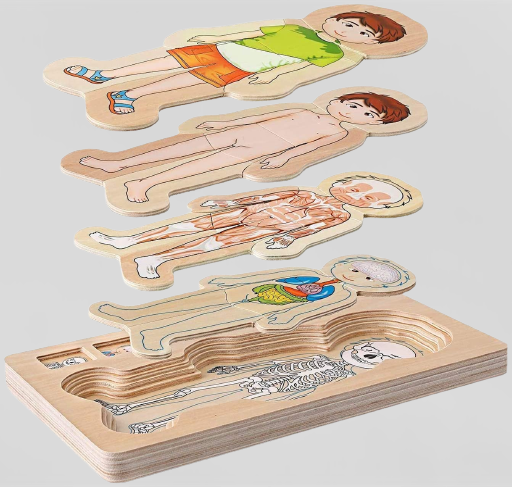
Finding the best STEM toys for kids in 2026 can feel overwhelming with thousands of options on the market. As parents, we want toys that genuinely teach science, technology, engineering, and math concepts while keeping children engaged. After researching dozens of products and consulting child development experts, we have narrowed down five standout STEM toys that deliver real educational value alongside hours of fun.
Why STEM Toys Matter for Child Development
Research from the National Science Foundation shows that children who engage with STEM-related play before age eight are significantly more likely to develop strong analytical thinking skills. STEM toys bridge the gap between passive screen time and active, hands-on learning. They encourage experimentation, problem-solving, and curiosity, which are the building blocks of scientific literacy.
Our Top 5 STEM Toy Picks for 2026
1.Anatomy Explorer Interactive Human Body Toy
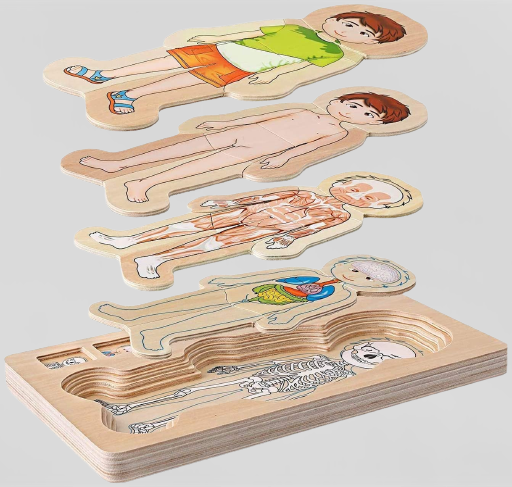
The Anatomy Explorer Interactive Human Body Toy is a fantastic introduction to biology for children ages 4 and up. This hands-on model allows kids to explore organs, bones, and body systems by removing and replacing anatomically accurate pieces. It transforms abstract biology lessons into tactile learning experiences that stick.
Why we love it: The removable organs are color-coded and labeled, making self-directed learning intuitive. Children develop fine motor skills while absorbing real anatomical knowledge. At $36.95, it is an affordable entry point into life sciences.
2.Stirling Motor Arrow Dynamics Educational Science Kit
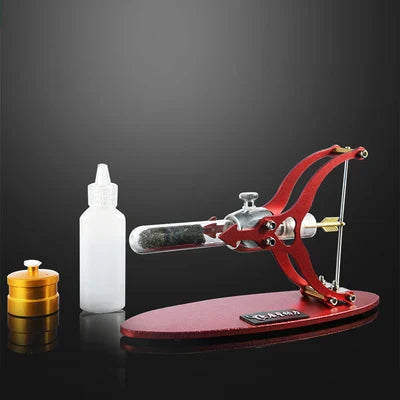
For older kids fascinated by how engines work, the Stirling Motor Arrow Dynamics Educational Science Kit provides a real working model of a Stirling engine. This kit demonstrates thermodynamics, energy conversion, and mechanical engineering principles in a way no textbook can match.
Why we love it: Watching the engine spring to life from heat energy alone creates genuine wonder. It is ideal for ages 8 and up and pairs perfectly with physics and engineering curricula. The $64.95 price point reflects its quality metal construction and educational depth.
3.Electric Bump Maze Kids Science Game
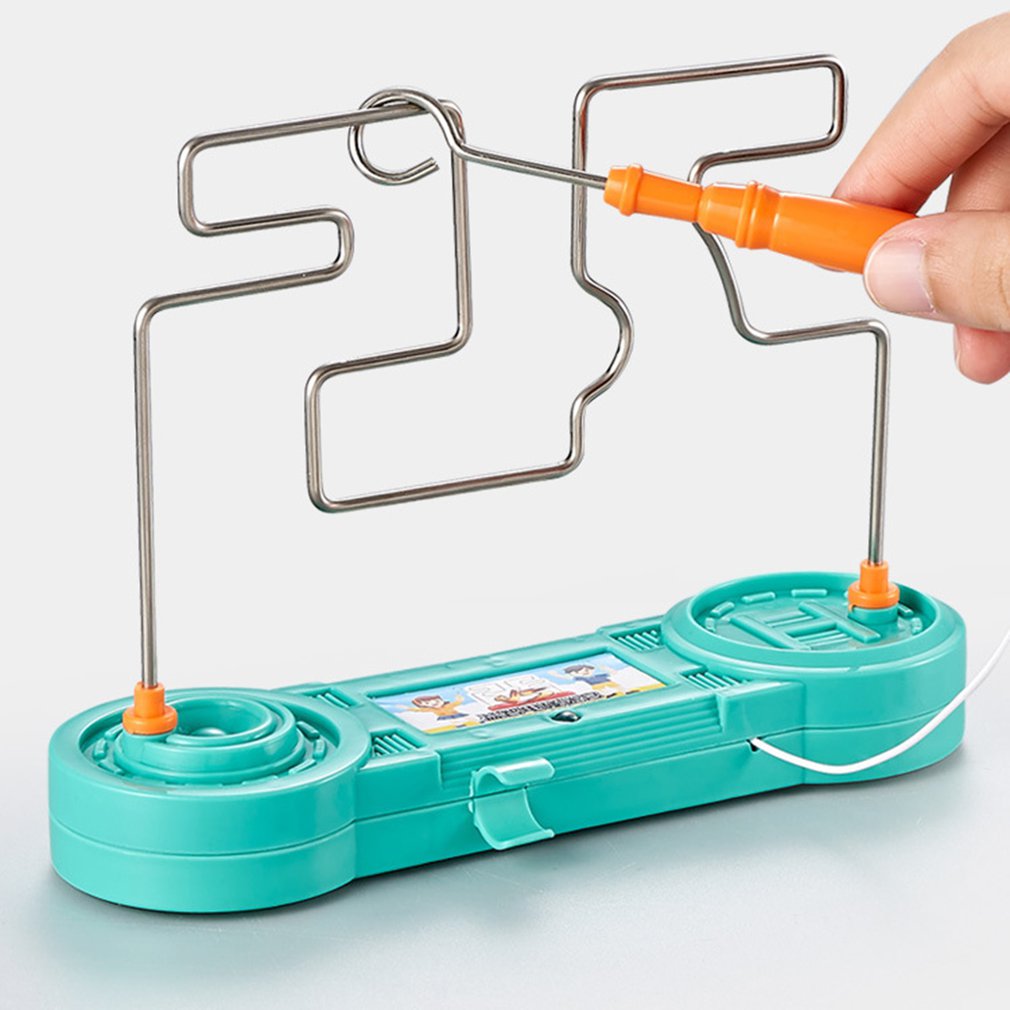
The Electric Bump Maze Kids Science Game teaches basic circuit concepts through play. Children guide a wand through a maze without touching the sides. If the wand makes contact, the circuit completes and triggers a buzz. It is simple, addictive, and deeply educational.
Why we love it: At just $19.99, this is one of the most affordable STEM toys available. It teaches patience, steady hand coordination, and the fundamentals of electrical circuits. Perfect for ages 5 and up.
4.Newton's Cradle LED Colorful Science Toy
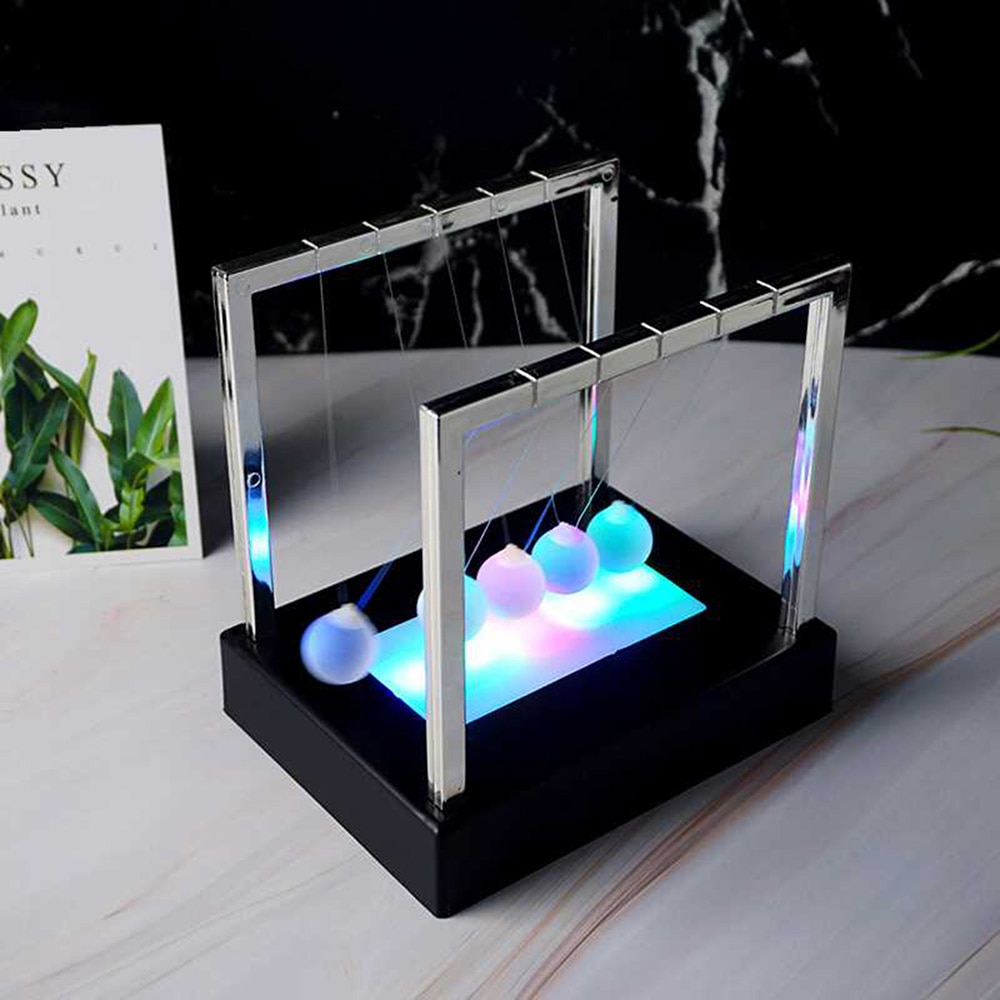
A modern twist on the classic physics demonstration, the Newton's Cradle LED Colorful Science Toy adds vibrant LED lights that illuminate upon impact. It demonstrates conservation of momentum and energy transfer in a visually stunning way.
Why we love it: The LED feature makes physics captivating for younger children who might not otherwise engage with abstract concepts like momentum. Priced at $23.95, it also doubles as a beautiful desk decoration for a child's study space.
5.Solar System Intergalactic DIY Wooden Toy
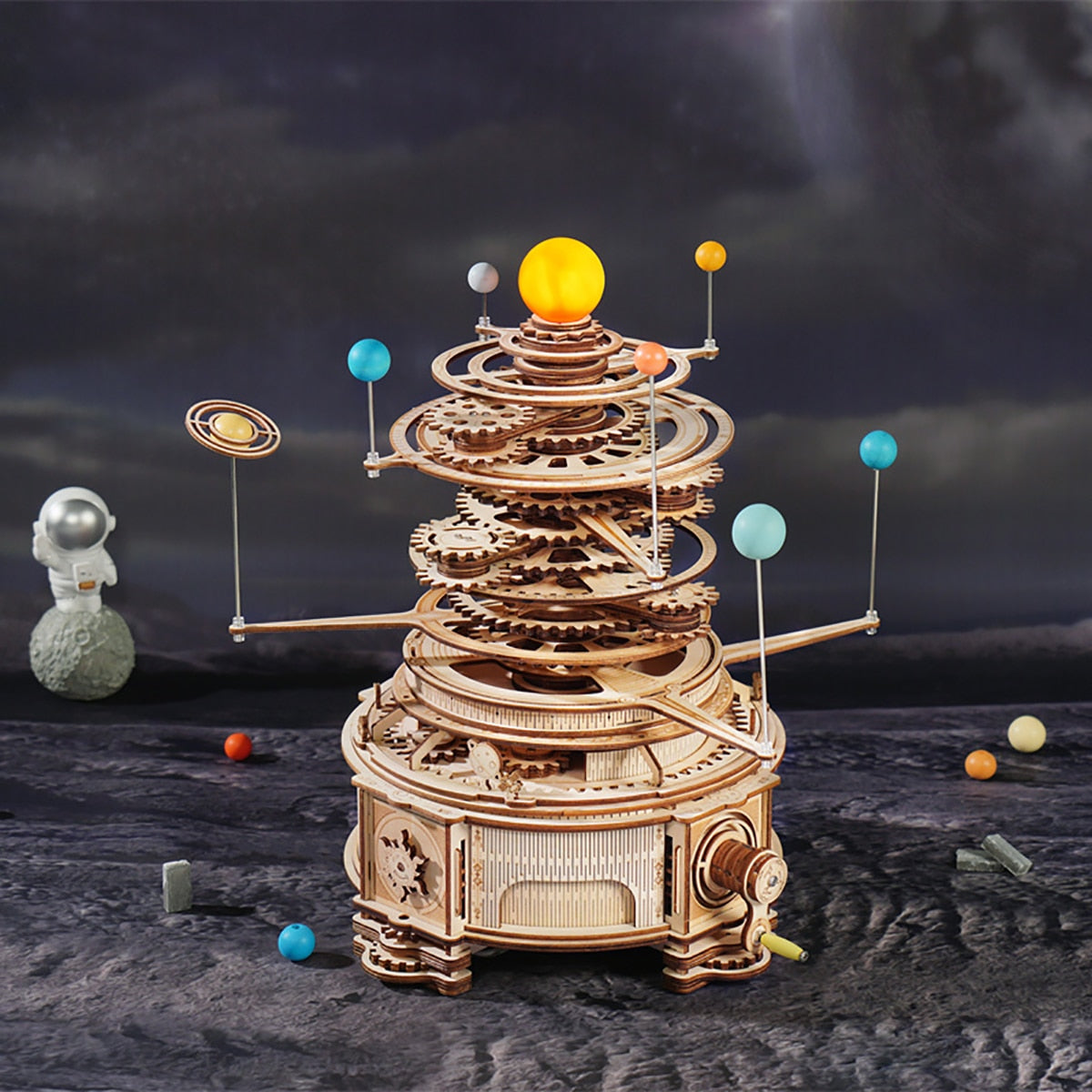
The Solar System Intergalactic DIY Wooden Toy is a premium build-your-own solar system model crafted from wood. Children assemble and paint each planet, learning about planetary order, relative sizes, and orbital mechanics in the process.
Why we love it: This toy combines STEM learning with creative expression. The DIY assembly process teaches patience and spatial reasoning. At $145.95, it is an investment piece that becomes a proud display item in any child's room once completed.
How to Choose the Right STEM Toy for Your Child
When selecting a STEM toy, consider your child's age, interests, and attention span. Younger children (ages 3 to 5) benefit from tactile, sensory-rich toys like the Anatomy Explorer. School-age children (ages 6 to 10) thrive with building and experimentation kits. Older kids ready for complex concepts will gravitate toward mechanical models like the Stirling engine.
Also consider whether the toy encourages open-ended play or follows a structured learning path. The best STEM toys do both, allowing children to follow instructions initially and then experiment freely.
Frequently Asked Questions
What age is best to start with STEM toys?
Children as young as three can benefit from age-appropriate STEM toys. Look for toys with large pieces, simple mechanics, and bright colors for the youngest learners. More complex kits are suitable from age seven onward.
Are expensive STEM toys better than affordable ones?
Not necessarily. The Electric Bump Maze at $19.99 teaches circuit fundamentals just as effectively as many premium kits. Focus on educational value and your child's interests rather than price alone.
How much screen-free STEM play should kids get daily?
The American Academy of Pediatrics recommends at least one hour of unstructured play daily. Incorporating 20 to 30 minutes of STEM-focused play within that window can significantly boost cognitive development.
Can STEM toys replace formal science education?
STEM toys complement formal education but do not replace it. They reinforce classroom concepts through hands-on experience and spark curiosity that motivates deeper learning in school settings.
Written by
You might also like
 81
81
Best Creative Craft Kits for Kids: Art Projects They'll Actually Finish
Discover the best creative craft kits for kids that they will actually finish. From sculpting and glass painti...
Our Favorite Ways to Bring Love, Peace, and Whimsy Into Your Child's World
From imaginative play sets to calming mindfulness tools, these are our favorite picks that bring love, peace,...
Our Favorite Bring Your Love, Peace, and Whimsy! Toys and Gifts for Kids
Discover 8 whimsical toys and gifts that bring love, peace, and creative wonder into your child's world while...