Best Building and Puzzle Toys for Problem-Solving Skills
Problem-solving is one of the most valuable skills a child can develop, and the right toys can accelerate that growth. The best building and puzzle toys for problem-solving skills challenge children to think logically, plan ahead, and persist through difficulty. We have selected five exceptional products that turn cognitive development into an engaging, rewarding experience.
The Science Behind Puzzles and Problem-Solving
A 2023 study from the University of Chicago found that children who regularly engage with puzzles and building toys develop stronger spatial reasoning abilities, which are a predictor of success in mathematics and engineering fields. Building toys require children to visualize outcomes, test hypotheses, and iterate on designs, mirroring the scientific method in miniature.
Top 5 Building and Puzzle Toys
1.Intelligent Pyramid Building Block Toy
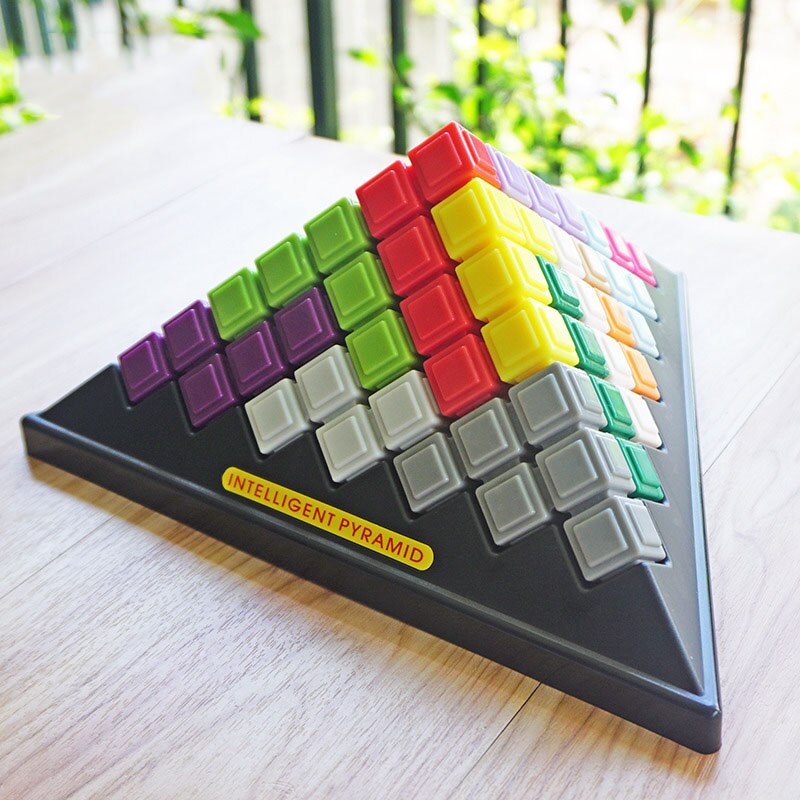
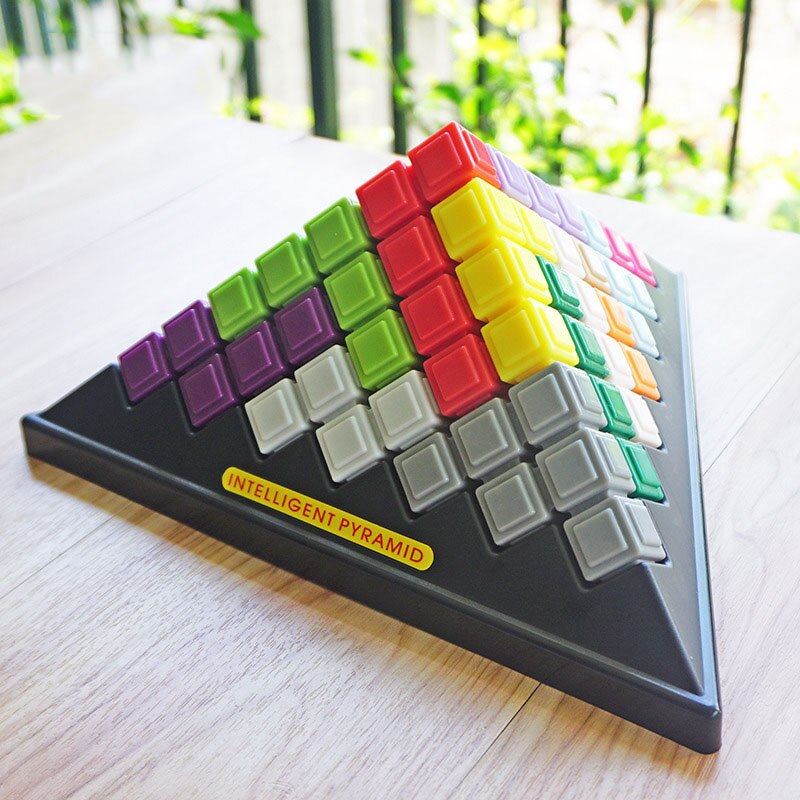
The Intelligent Pyramid Building Block Toy challenges children to construct a pyramid using interlocking blocks that must be placed in a specific sequence. It develops logical sequencing, patience, and three-dimensional spatial awareness.
Educational value: The pyramid structure requires understanding how a stable base supports upper layers, teaching fundamental engineering principles. At $78.95, it is a premium building toy that offers hundreds of configurations and escalating difficulty levels.
2.Wooden Rainbow Building Educational Toy
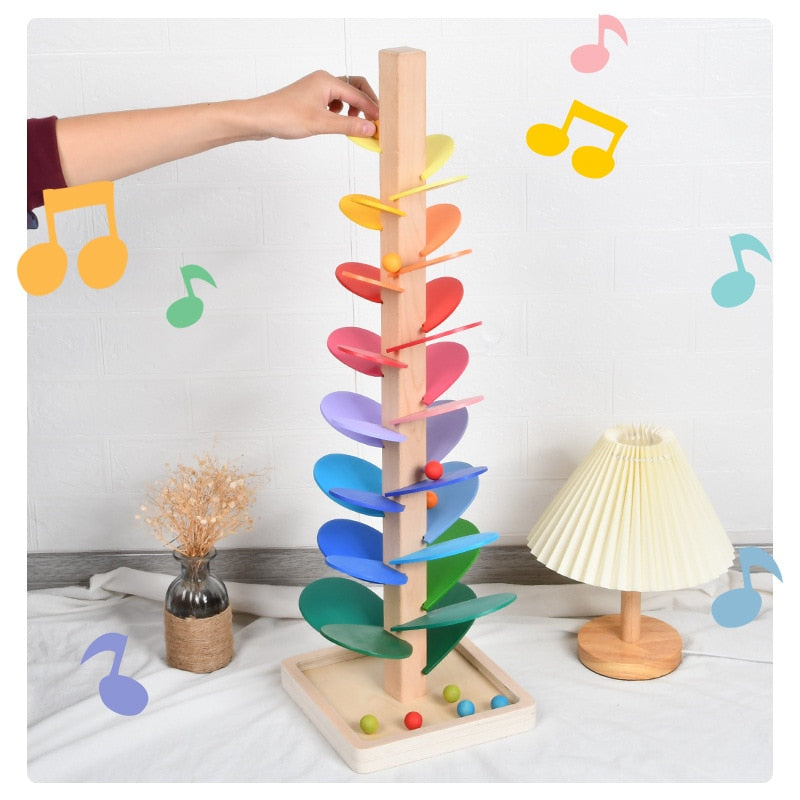
Simple yet profound, the Wooden Rainbow Building Educational Toy consists of rainbow-colored arched wooden pieces that can be stacked, nested, and arranged in countless configurations. It is a quintessential open-ended toy that grows with your child.
Educational value: Toddlers stack and nest the arches, while older children create bridges, tunnels, and sculptures. The open-ended nature means there is no wrong answer, encouraging creative problem-solving. At just $17.95, it is one of the most versatile toys available.
3.3D Educational Puzzle Block Game
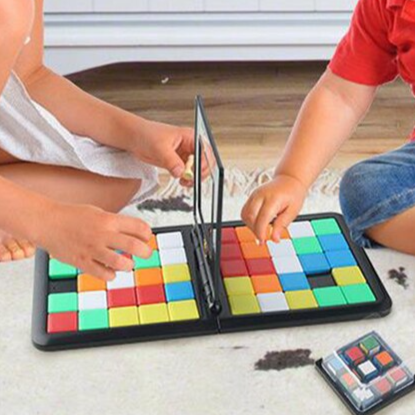
The 3D Educational Puzzle Block Game takes traditional puzzles into three dimensions. Players race to match 3D patterns using colored blocks, building spatial reasoning speed and visual processing skills under time pressure.
Educational value: The competitive element motivates repeated play, and each round strengthens pattern recognition and spatial manipulation abilities. At $29.95, it doubles as a fun family game night addition.
4.Colorful 3D Educational Puzzle Math Toy
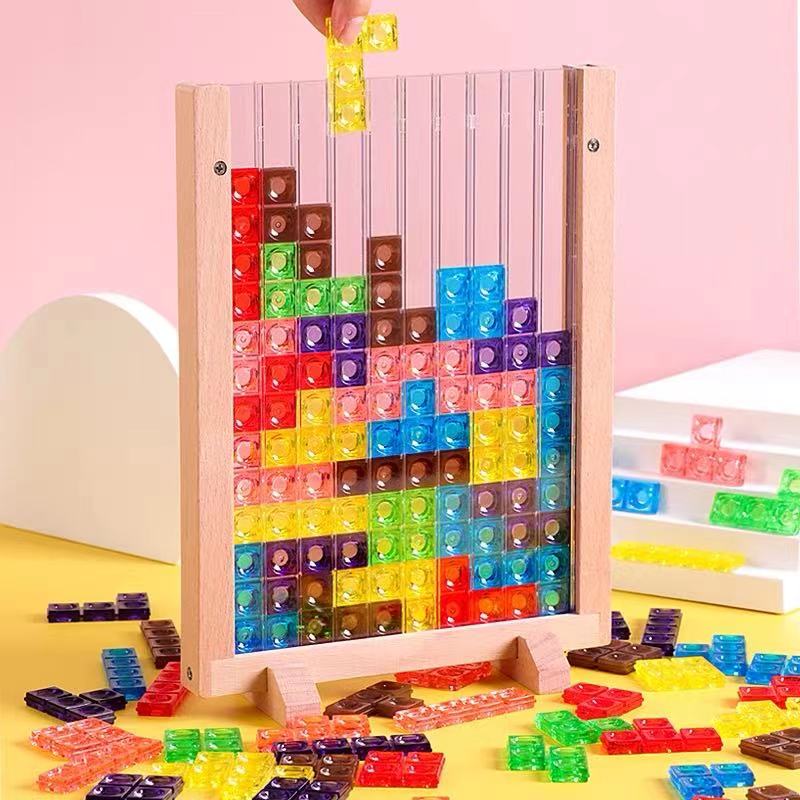
Combining math with physical manipulation, the Colorful 3D Educational Puzzle Math Toy uses colored blocks to represent numerical concepts spatially. Children solve math problems by physically arranging blocks, making abstract math concrete and visual.
Educational value: This toy addresses the common challenge of making math tangible for visual and kinesthetic learners. At $30.95, it bridges the gap between abstract arithmetic and physical understanding.
5.Genius Kid Magnetic Educational Math Puzzle Set
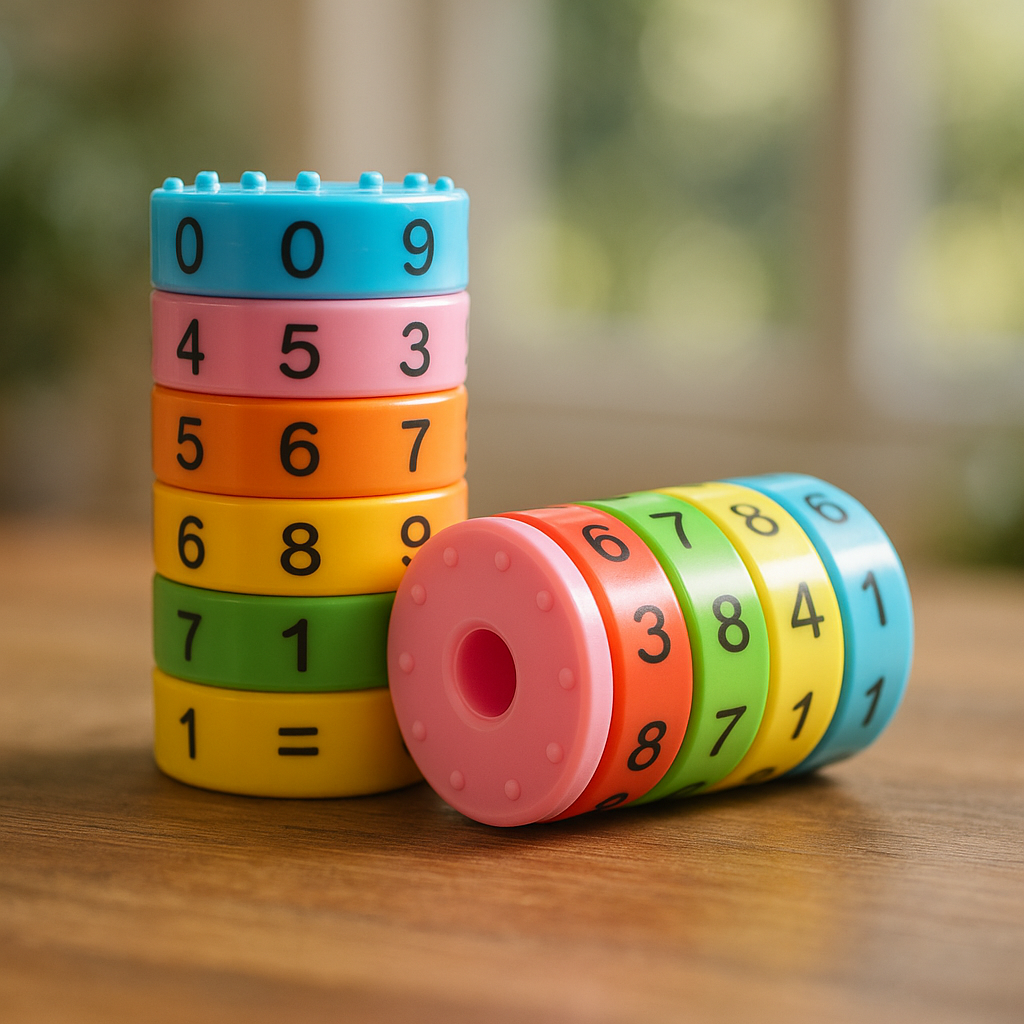
The Genius Kid Magnetic Educational Math Puzzle Set uses magnetic pieces to create math equations and puzzles. The magnetic element adds a satisfying tactile component that makes math practice feel like play rather than homework.
Educational value: Magnetic manipulation engages fine motor skills while reinforcing arithmetic concepts. At an incredible $9.95, this is the most budget-friendly option on our list, proving that effective educational toys do not need to be expensive.
Building a Problem-Solving Mindset
Beyond buying the right toys, parents can foster problem-solving skills by praising effort over results, asking open-ended questions during play, and allowing children to struggle productively before offering help. When a child is stuck, try asking "What have you tried so far?" instead of showing them the answer. This builds resilience and independent thinking.
Frequently Asked Questions
What age is best for introducing building toys?
Large, simple building blocks can be introduced around 12 months. More complex interlocking systems suit ages 4 and up, while advanced 3D puzzles are ideal for ages 7 and older.
How do puzzles help with math skills?
Puzzles develop spatial reasoning, pattern recognition, and logical sequencing, all of which are foundational math skills. Children who regularly solve puzzles often find geometry and algebra more intuitive.
Should I help my child when they get frustrated with a puzzle?
Allow some productive struggle before intervening. Frustration tolerance is itself a valuable skill. If a child wants to quit entirely, offer a small hint rather than solving it for them, preserving their sense of accomplishment.
Written by
You might also like
 81
81
Best Creative Craft Kits for Kids: Art Projects They'll Actually Finish
Discover the best creative craft kits for kids that they will actually finish. From sculpting and glass painti...
Our Favorite Ways to Bring Love, Peace, and Whimsy Into Your Child's World
From imaginative play sets to calming mindfulness tools, these are our favorite picks that bring love, peace,...
Our Favorite Bring Your Love, Peace, and Whimsy! Toys and Gifts for Kids
Discover 8 whimsical toys and gifts that bring love, peace, and creative wonder into your child's world while...