How to Set Up a Montessori-Inspired Play Space at Home
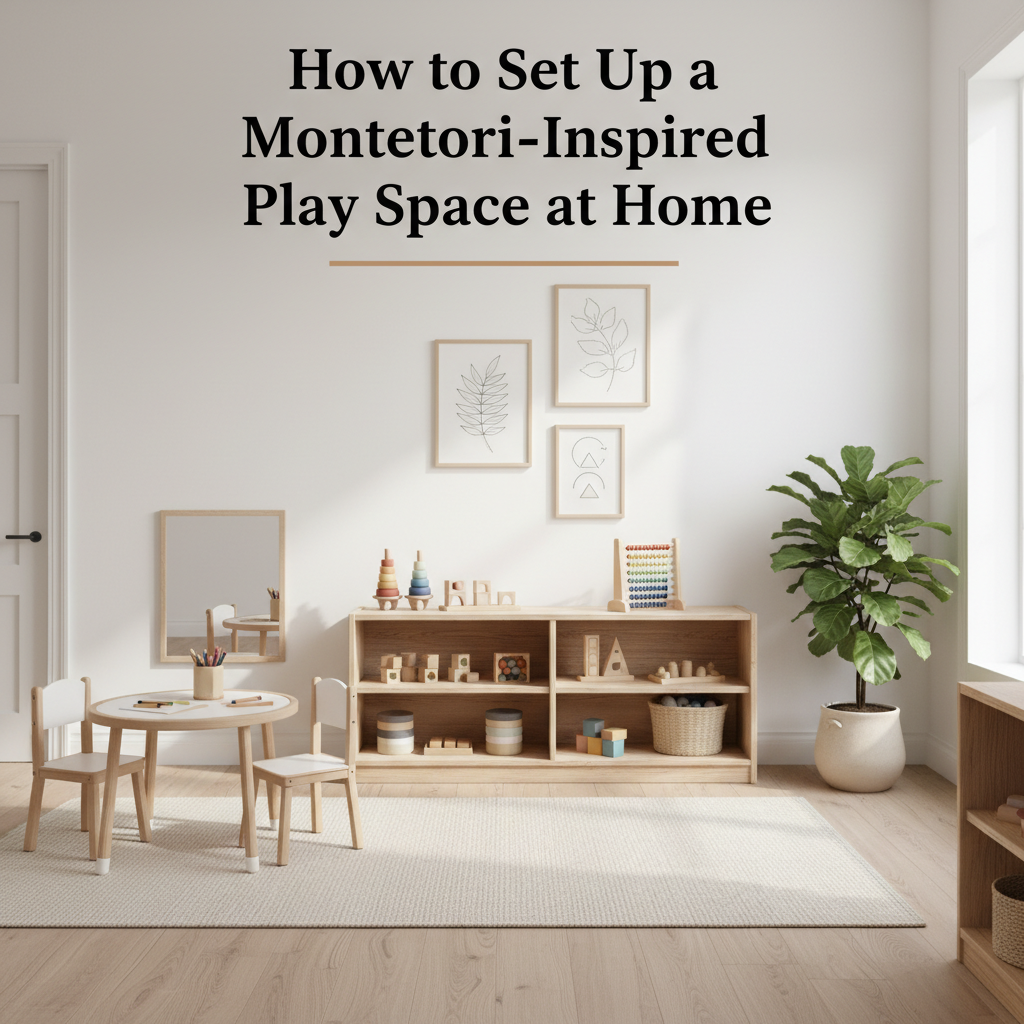
Creating a Montessori play space at home does not require expensive furniture or a dedicated room. The Montessori approach emphasizes child-accessible environments that promote independence, concentration, and self-directed learning. With thoughtful organization and a few key principles, you can transform any corner of your home into a space that empowers your child's natural desire to learn.
Core Principles of a Montessori Environment
Dr. Maria Montessori designed her classrooms around the child, not the adult. The same principles apply at home. Everything should be child-sized and child-accessible. Materials should be organized, visible, and limited in quantity. The space should be calm, uncluttered, and aesthetically pleasing. According to the American Montessori Society, these environmental features support concentration and reduce behavioral issues by giving children a sense of order and control.
Choosing the Right Space
You do not need a separate room. A corner of a living room, a section of a bedroom, or even a well-organized closet alcove can serve as a Montessori play space. The location should have natural light if possible, be away from high-traffic areas that create distractions, and be a space where the child feels comfortable and welcome. A 4-by-6-foot area is sufficient for most setups.
Essential Furniture and Storage
Low Open Shelving
The cornerstone of any Montessori space is low, open shelving that allows children to see and independently access all available materials. Shelves should be no taller than the child can comfortably reach, typically 24 to 36 inches high for toddlers and preschoolers. Avoid enclosed cabinets or toy boxes where items pile up invisibly.
Child-Sized Table and Chair
A small table and chair set allows children to work on activities at a comfortable height. This simple addition communicates that the space is designed for them, not adapted from adult furniture. The table surface should be clear when not in use, providing an inviting workspace.
Floor Mat or Rug
A defined rug or mat creates a visual boundary for floor-based activities. Children learn to unroll their mat, work within its borders, and roll it back up when finished. This routine develops organizational skills and respect for shared spaces.
Organizing Materials: The Less-Is-More Approach
Display only five to eight activities on the shelves at any time. This is perhaps the most counterintuitive aspect of Montessori for parents accustomed to keeping all toys accessible. Limiting choices reduces overwhelm and increases the depth of engagement with each activity. Store remaining materials in a closet and rotate them every one to two weeks to maintain freshness.
Arrange activities from left to right and top to bottom in order of complexity, mirroring the reading direction in English. This subtle organizational logic prepares children for academic conventions while making the progression of challenge intuitive.
Selecting Montessori-Appropriate Materials
Choose materials that isolate a single skill or concept. A shape sorter teaches shape recognition. A pouring set teaches hand control. A counting chain teaches number sequencing. Each material should have a clear, achievable purpose. Prefer materials made from natural substances like wood, metal, and fabric over plastic when possible. Natural materials provide richer sensory feedback and tend to be more aesthetically pleasing.
Activity Areas to Include
Practical Life Area
Include simple practical life activities appropriate for your child's age: pouring water between small pitchers, spooning beans between bowls, buttoning and zipping practice frames, or flower arranging with a small vase. These activities develop fine motor skills, concentration, and independence in daily tasks.
Sensorial Area
Provide materials that refine the senses: color sorting, texture matching, sound cylinders, or graded size blocks. Sensorial activities build the perceptual foundations that support later academic learning in mathematics and science.
Language Area
Include a small bookshelf with five to ten books displayed face-out for easy selection. Add sandpaper letters, a chalkboard, or alphabet cards depending on your child's developmental stage. A comfortable reading cushion nearby invites extended engagement with books.
Math and Science Area
Age-appropriate math manipulatives, counting materials, and simple science tools like magnifying glasses or magnet kits provide STEM exploration opportunities. Even a small collection of natural objects like shells, rocks, and pinecones invites scientific observation and classification.
Maintaining the Space
Involve your child in daily tidying as part of the routine, not as a chore. In Montessori philosophy, returning materials to their proper place is an integral part of the activity cycle. Use picture labels on shelves to help preliterate children return items correctly. Regularly assess which materials your child has outgrown or lost interest in and rotate accordingly.
Common Mistakes to Avoid
Do not overcrowd shelves. Resist the temptation to display everything you own. Avoid mixing Montessori materials with battery-operated or noisy toys that disrupt the calm environment. Do not create the space and then restrict access. The entire point is independent, child-initiated use. Finally, do not expect perfection. Montessori at home is a philosophy, not a showroom.
Frequently Asked Questions
How much does it cost to set up a Montessori play space?
A basic setup can be achieved for under $100 with a small bookshelf, a few baskets, and curated materials. Premium setups with purpose-built Montessori furniture range from $300 to $800. Many families start minimally and expand over time.
My child is used to a toy box. How do I transition to Montessori shelving?
Transition gradually. Remove the toy box and introduce shelving with just three to four familiar items. Add new materials slowly as your child adapts to selecting from visible options rather than rummaging through a box.
Can I set up a Montessori space in a shared room?
Absolutely. Use a bookshelf or room divider to delineate the play area from other functions. Even a clearly defined rug with a small shelf alongside it creates a distinct Montessori zone within a multipurpose room.
Do I need Montessori training to create this space?
No formal training is required. The principles are straightforward: child-accessible, organized, limited choices, natural materials, and respect for the child's independence. Many books and online resources provide detailed guidance for home implementation.
Written by
You might also like
 81
81
Best Creative Craft Kits for Kids: Art Projects They'll Actually Finish
Discover the best creative craft kits for kids that they will actually finish. From sculpting and glass painti...
Our Favorite Ways to Bring Love, Peace, and Whimsy Into Your Child's World
From imaginative play sets to calming mindfulness tools, these are our favorite picks that bring love, peace,...
Our Favorite Bring Your Love, Peace, and Whimsy! Toys and Gifts for Kids
Discover 8 whimsical toys and gifts that bring love, peace, and creative wonder into your child's world while...